The global material handling sector is undergoing a rapid transition, driven by environmental mandates, carbon neutrality goals, and efficiency demands. As businesses transition away from Internal Combustion (IC) engine systems, China has emerged as the leading global hub for manufacturing electric forklift trucks. This comprehensive report explores the engineering innovations, supply chain advantages, and custom configurations that characterize top Chinese manufacturers—epitomized by industry innovators like Qingdao Liftara Lift Co., Ltd.
The core shift in the electric forklift ecosystem lies in battery chemistry. Chinese manufacturers have pioneered the integration of Lithium Iron Phosphate (LFP) technology, which offers significant operational advantages over traditional lead-acid systems. LFP chemistry provides a high lifecycle threshold (typically over 3,000 to 4,000 full charge cycles), rapid charge times (allowing opportunity charging during operator breaks), and zero active emission concerns during replenishment. This makes these units ideal for multi-shift facilities that require maximum uptime without dedicated battery-charging rooms.
Beyond battery performance, the stability of heavy lifting depends on high-precision hydraulic control. The combination of variable-frequency AC motors and proportional hydraulic valves ensures smooth, precise vertical load positioning. Manufacturers such as Qingdao Liftara Lift Co., Ltd. specialize in integrating rugged structural steel structures with modern hydraulic systems. Standard designs focus on reducing structural deflection at high lift heights, ensuring consistent lifting performance for tasks ranging from standard warehouse logistics to complex, high-altitude industrial maintenance.
| Lifting Performance Indicators | Lithium-Ion Electric Forklifts | Lead-Acid Electric Forklifts | Internal Combustion (Diesel) |
|---|---|---|---|
| Energy Efficiency Rating | Highly Efficient (> 90% Efficiency) | Moderate (~ 75% Efficiency) | Low (~ 30-35% Thermal Efficiency) |
| Charging Architecture | Rapid & Opportunity Charging Supported | 8-Hour Cycle + 8-Hour Cooling Cycle | Immediate Refuel (Diesel Fueling Station) |
| Maintenance Requirements | Maintenance-Free Battery Cell Design | High (Distilled Water Replenishment) | Heavy (Filters, Engine Fluids, Powertrains) |
| Intelligent Integration | Native CAN-Bus & Cloud Diagnostics | Limited Basic Telemetry | External Sensors Required |
China's global leadership in electric forklifts is supported by three primary supply chain pillars:
Qingdao Liftara Lift Co., Ltd. is a professional manufacturer of series hydraulic lifting platforms and material handling equipment in China. The company features modern production equipment, advanced manufacturing processes, comprehensive testing methods, and a strong technical R&D team. As an enterprise integrating R&D, design, production, and installation, all hydraulic systems and structural components are manufactured using high-grade materials to meet strict national and international standards.
The product design focuses on structural stability, operational safety, and ease of maintenance. Liftara's machinery is widely used in factory floors, logistics warehouses, docks, airports, shopping malls, and heavy manufacturing lines. In addition, the factory supports customized sizing, variable load capacities, and explosion-proof electrical systems, allowing clients to configure units for specialized environments.
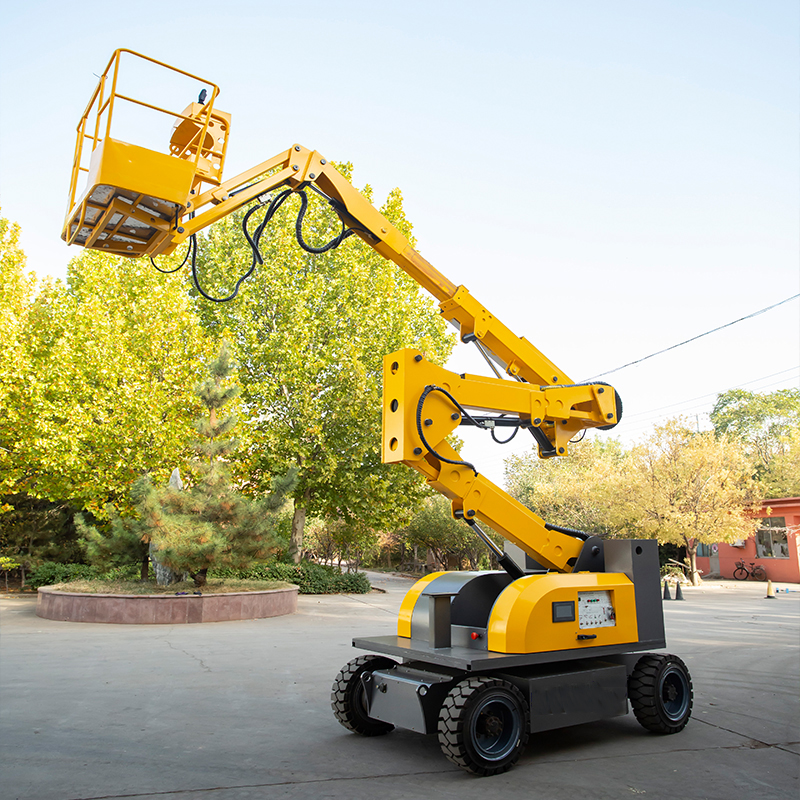
Integrates forklift controls with battery telemetry for real-time monitoring of thermal levels, battery status, and load placement safety.
Recovers kinetic energy during braking and deceleration, feeding energy back into the lithium cells to extend shift runtimes by up to 15%.
Variable-speed AC pumps adjust fluid flow dynamically to match load requirements, lowering noise levels and optimizing power use.
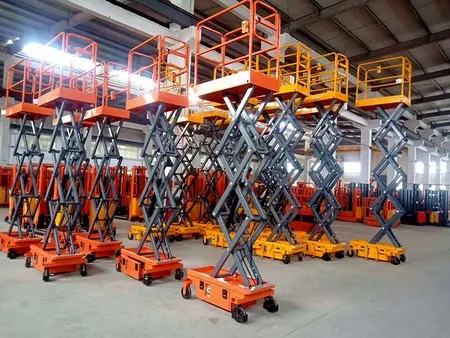
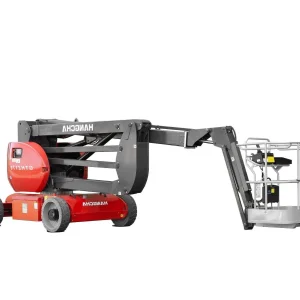
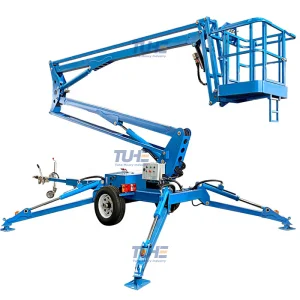
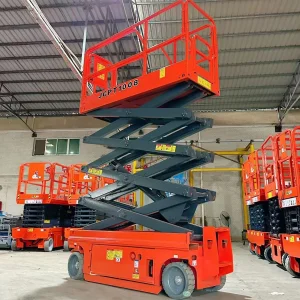
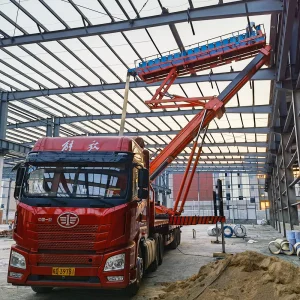
To address complex logistics demands, Qingdao Liftara Lift Co., Ltd. has developed an extensive portfolio of material handling products. These include mobile lifting platforms, fixed positioning tables, rail-type logistics lifts, self-propelled aerial work platforms, aluminum alloy elevators, villa/household lifts, barrier-free access systems, automated food conveyors, articulating boom lifts, vehicle-mounted aerial units, and traction elevators.
These systems are widely used in street lighting maintenance, municipal engineering, construction, landscaping, transportation corridors, and industrial warehouses. By combining hydraulic engineering with electrical control units, the company delivers high reliability for complex environments, offering custom lifting capacities, high-tonnage cargo platforms, and explosion-proof configurations.
Modern material handling demands versatile equipment that can perform across diverse, challenging environments. Electric forklift systems and auxiliary lifting systems are designed to operate efficiently under these varying conditions:
Cold storage logistics present challenges for traditional equipment due to condensation and thermal cycling. For these applications, specialized electric forklifts are fitted with heated cabins, condensation-resistant electrical enclosures (IP65 protection), and low-temperature hydraulic oil. These adaptations ensure reliable lifting and traction performance even in temperatures as low as -30°C.
Chemical processing and grain handling environments require explosion-proof configurations to mitigate spark risks. Heavy-duty electric forklifts are configured with enclosed AC motors, flameproof enclosures for contactors, anti-spark polyurethane-clad forks, and static-conductive tires. This allows the safe transport of sensitive materials in Class I, Division 1 & 2 environments.
In high-density warehouses, space utilization is critical. Narrow aisle (NA) and very narrow aisle (VNA) electric reach trucks enable high rack density. These systems feature precise mast controls, integrated camera systems for high-rack visibility, and proportional hydraulic dampening to ensure safe, stable operation within narrow warehouse aisles.
Qingdao Liftara Lift Co., Ltd. specializes in designing and manufacturing customized hydraulic lift tables with non-standard dimensions, high load capacities, and explosion-proof systems. Innovations like multi-mast rotary aluminum lifts and intelligent rail-guided elevators provide options for plants requiring specialized, high-capacity material handling systems.
Procuring industrial lifting equipment from Chinese manufacturers requires careful evaluation of safety certifications, technical specifications, and shipping logistics. Buyers should structure their procurement process around three main phases:
Verify that equipment complies with the destination country's regulations. Review certifications such as CE for Europe, ANSI/ITSDF for the US, and AS3000 for Australia. Confirm that the supplier's testing protocols cover structural load limits, hydraulic pressure relief, battery safety management, and braking performance under full-load conditions.
Define operational parameters clearly when working with manufacturing engineering teams. Specify mast height requirements, necessary attachment configurations (such as sideshifters, fork positioners, or paper roll clamps), flooring conditions (influencing tire selection between solid pneumatic or polyurethane), and operational voltage standards for on-site charging stations.
To maximize fleet uptime, establish clear agreements regarding service support. Ensure the supplier provides comprehensive technical manuals, online diagnostic assistance, and reliable access to spare parts (valves, contactors, and filters). Consider holding a local stock of critical spares to minimize potential maintenance downtime.
LFP (Lithium Iron Phosphate) batteries charge significantly faster (full charge within 2 hours compared to 8 hours for lead-acid), support opportunity charging during shifts, require no regular maintenance or water refilling, and feature a longer lifespan of 3,000+ cycles while emitting no gases during charging.
Qingdao Liftara constructs its scissor mechanisms and masts using high-yield structural steel. Standard models incorporate heavy-duty hydraulic cylinders with safety check valves, and key configurations are tested using finite element analysis (FEA) to confirm stability and load capacity safety under static and dynamic conditions.
Yes. Standard outdoor-configured models feature solid pneumatic tires and IP54 or IP65 electrical enclosure ratings to protect motors and controllers against moisture, dust, and varying weather conditions.
Maintenance focus shifts from engine mechanical service to checking electrical contacts, keeping battery ventilation clean, monitoring hydraulic oil levels, checking line seals, and inspecting tires and structural pins for normal wear.
Explosion-proof design isolates potential spark hazards. Manufacturers utilize spark-free materials, encapsulate electrical switches within flameproof enclosures, deploy specialized ground cables, and configure intrinsically safe control lines for hazardous operations.
Top manufacturers offer a 1-year to 2-year warranty on structural steel members and core hydraulic/electrical controls. Remote diagnostic assistance and express spare parts dispatch services help maintain continuous fleet operations.
 Liftara Lift