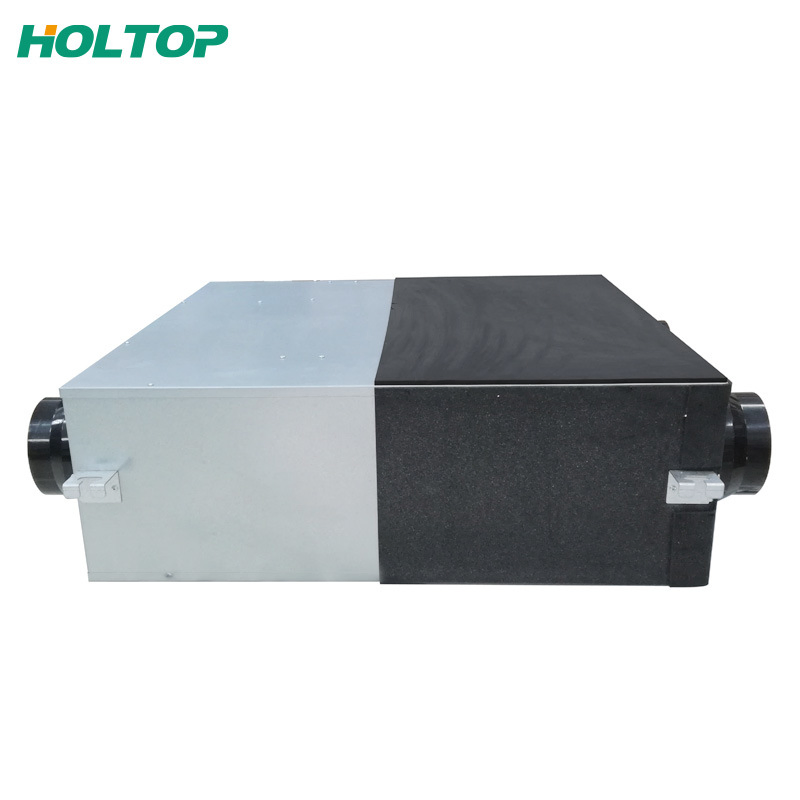
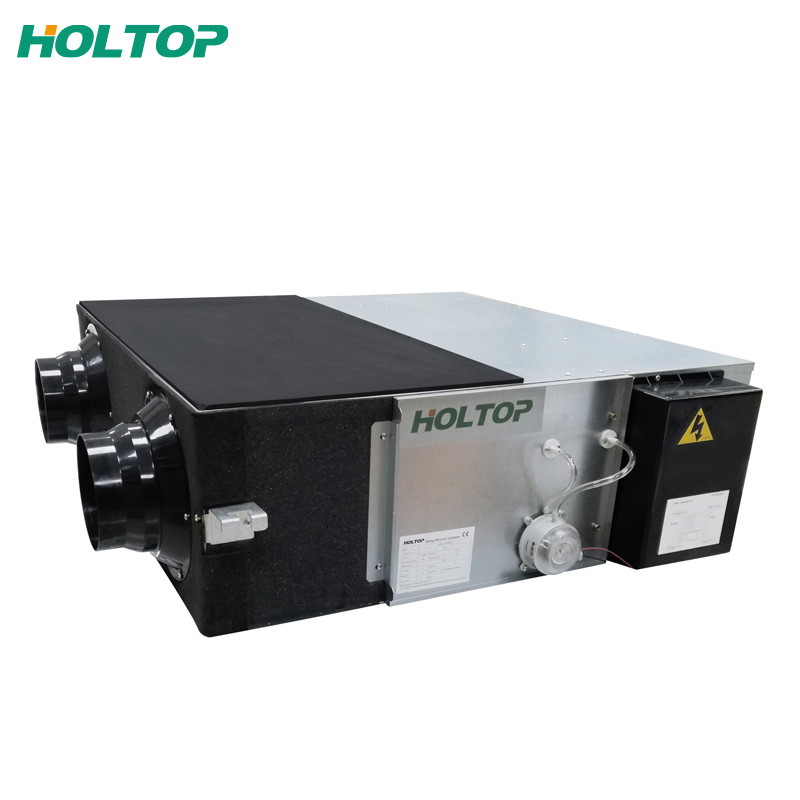
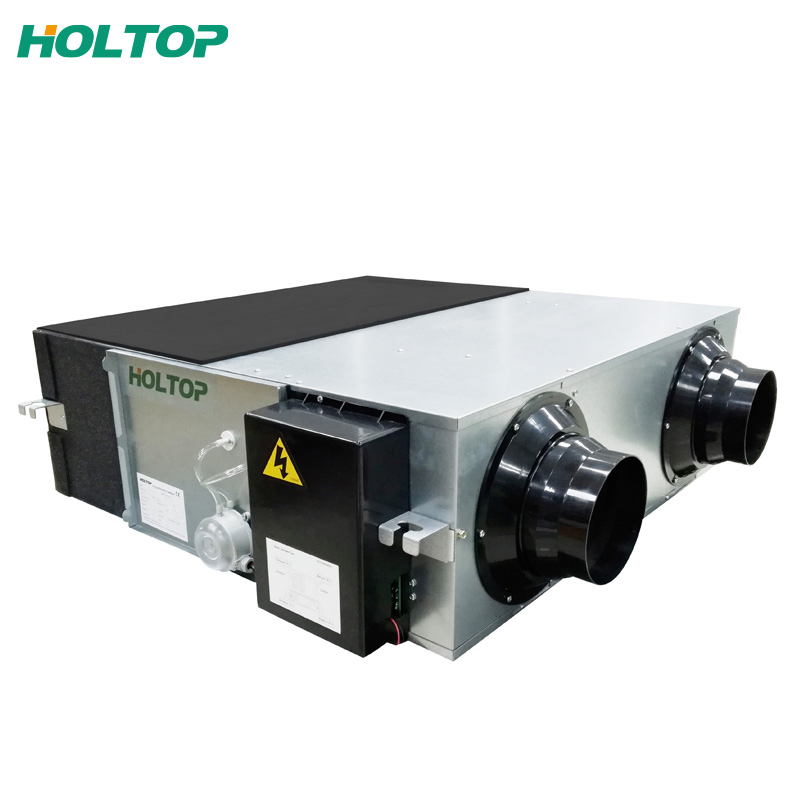
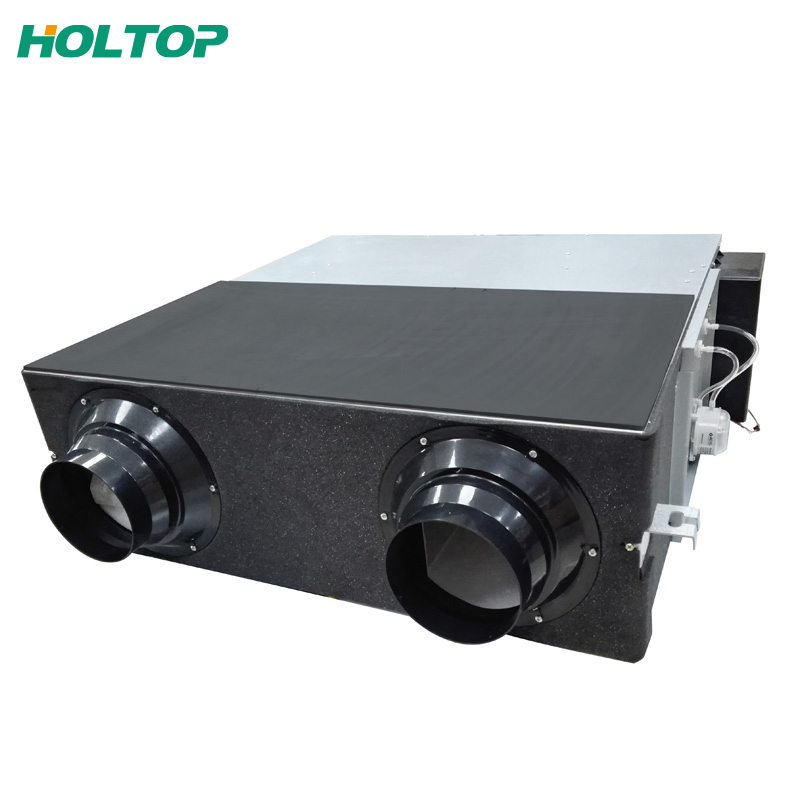
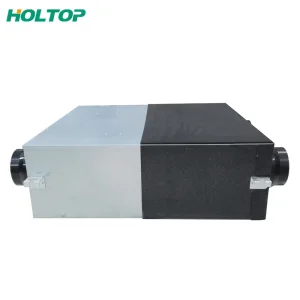
Residential Project Super Slim Ervs Heat Recovery Ventilation System

Still deciding? Get samples of $ !
Request Sample

Product Description

Basic Specifications
Model NO.
XHBQ-D2(PM)THC
Certification
ISO9001, ROHS, CE
Heat Recovery
Total/ Enthalpy
Air Flow
200~400m3/H
Suitable for
Residential and Light Commercial
Install Type
Suspended
Core Type
Enthalpy Heat Exchanger
Motor
AC (DC Optional)
Bypass
Yes
Controller
LCD Remote Intelligent
PM2.5 Filter
Optional
Features
Slim Design, High Efficiency
Product Overview
Home Mechanical Ventilation System ERV HRV Fresh Air Purification

Energy recovery ventilation (ERV) is the process of exchanging the energy contained in normally exhausted building air and using it to precondition the incoming outdoor ventilation air. This system improves indoor air quality while reducing the total HVAC equipment capacity required for heating and cooling.
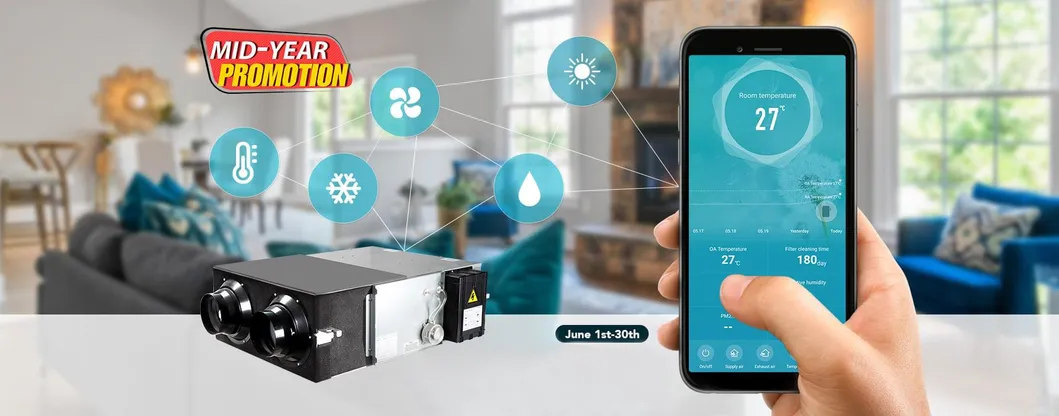
Heat Recovery Ventilation System

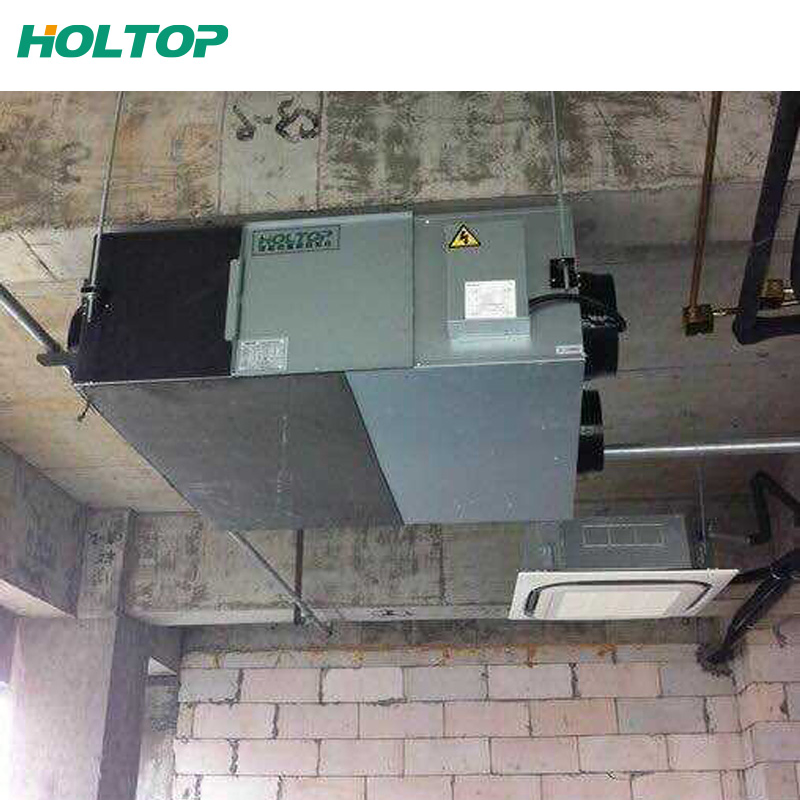
Super Slim Design

Our slim ventilators are designed specifically for projects with strict installation height requirements. Compared with traditional products, the slim height is reduced by 20%. The access door is located at the bottom, making maintenance significantly easier in tight ceiling spaces.
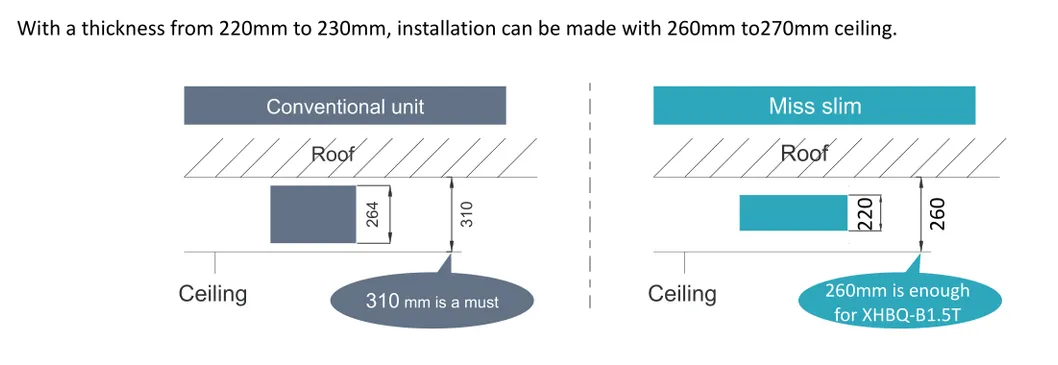
Slim ERV Design
High Energy Recovery Efficiency

Equipped with a crossflow enthalpy exchanger, the efficiency reaches up to 82% in winter. The moisture exchange between fresh and exhaust air maintains comfortable indoor temperature and humidity levels year-round.
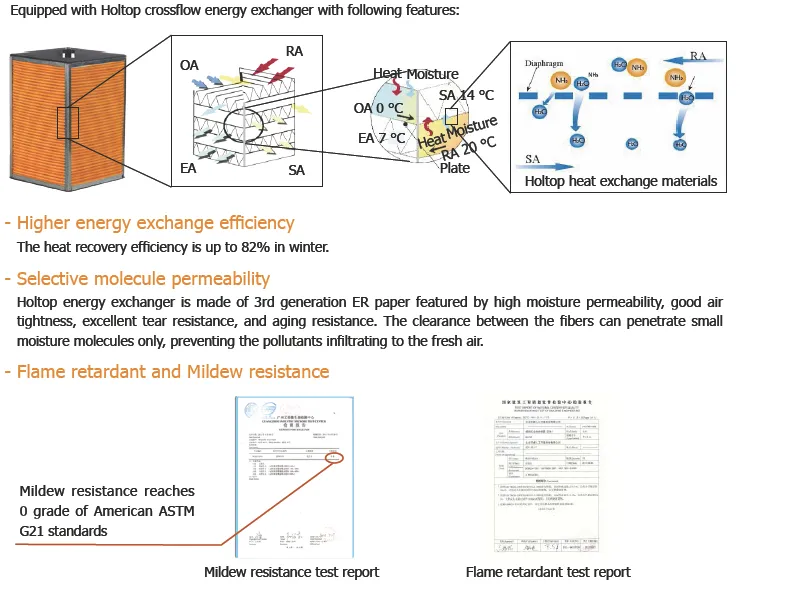
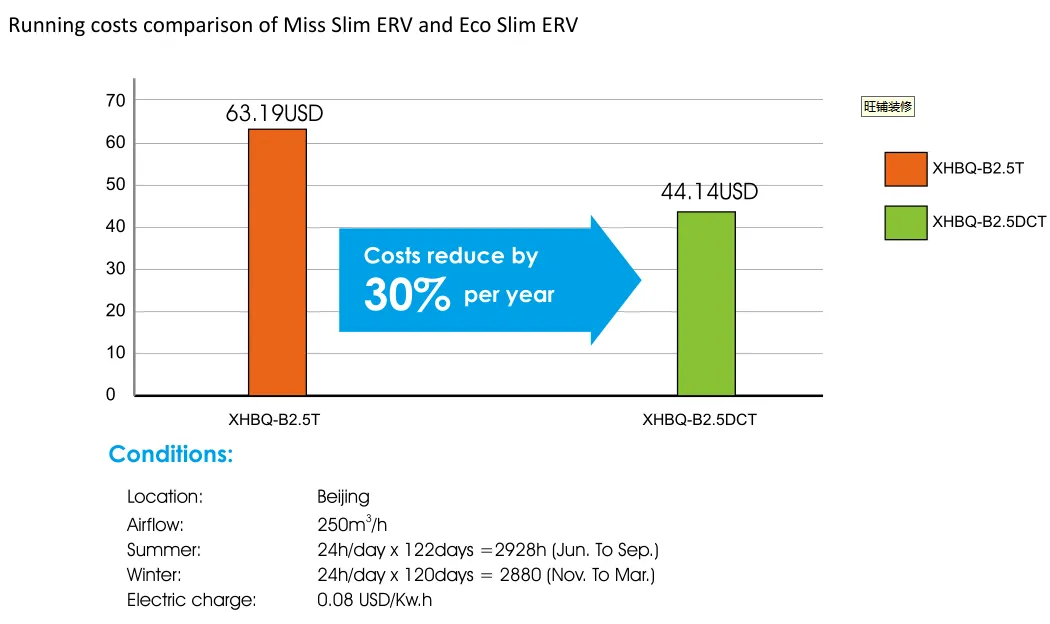
Efficiency Diagram
Energy Saving Features
Technical Selection & Installation
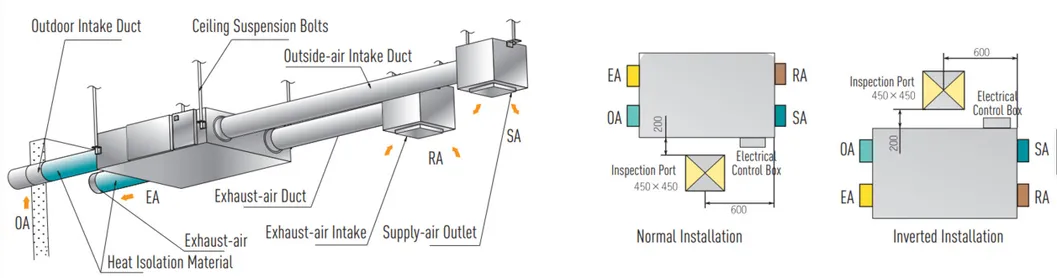
Installation Dimensions
Installation View
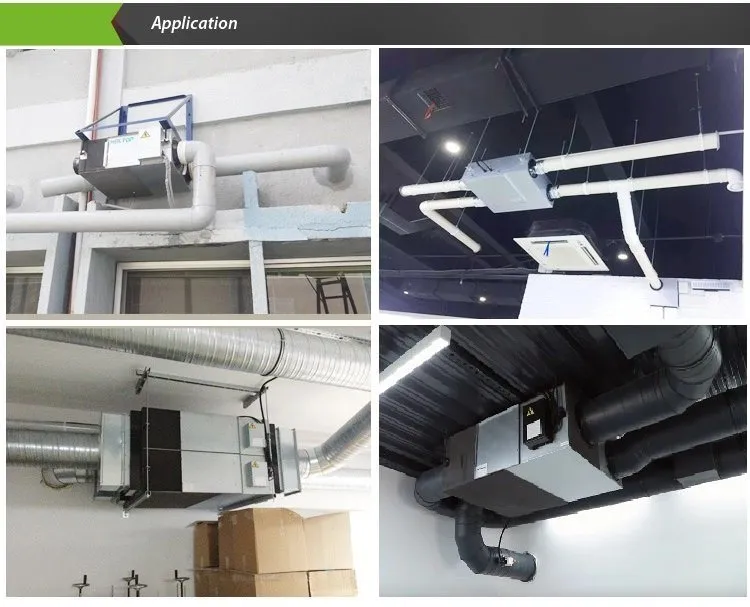
System Setup

Selection Guide:

1
Choose proper installation types based on the building structure.
2
Determine the fresh airflow required according to the use, size, and number of occupants.
3
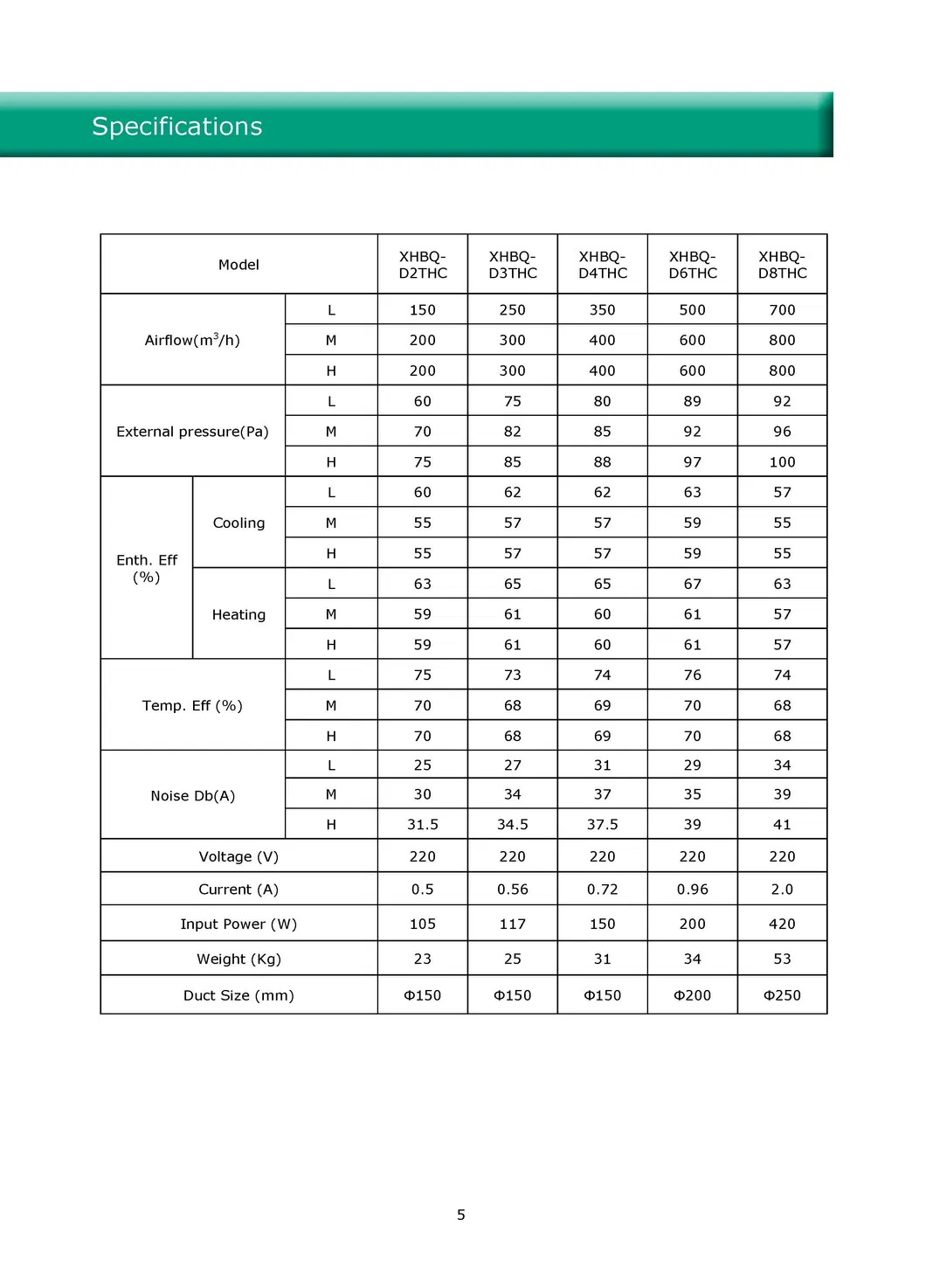
Select the right specifications and quantity based on determined airflow needs.

Calculation Example:
Room area: 60 sq. meters, Height: 3 meters, Occupants: 10 persons.
1. Based on personal consumption (70 m3/h per person): Q1 = 10 * 70 = 700 m3/h.
2. Based on air changes (5 changes per hour): Q2 = 5 * 60 * 3 = 900 m3/h.
Result: 900 m3/h is recommended for better air quality.
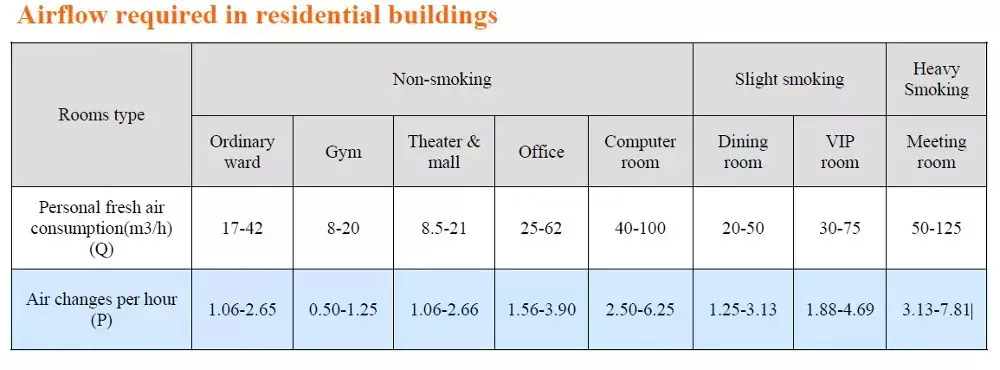
Selection Chart
Professional Standards & Manufacturing

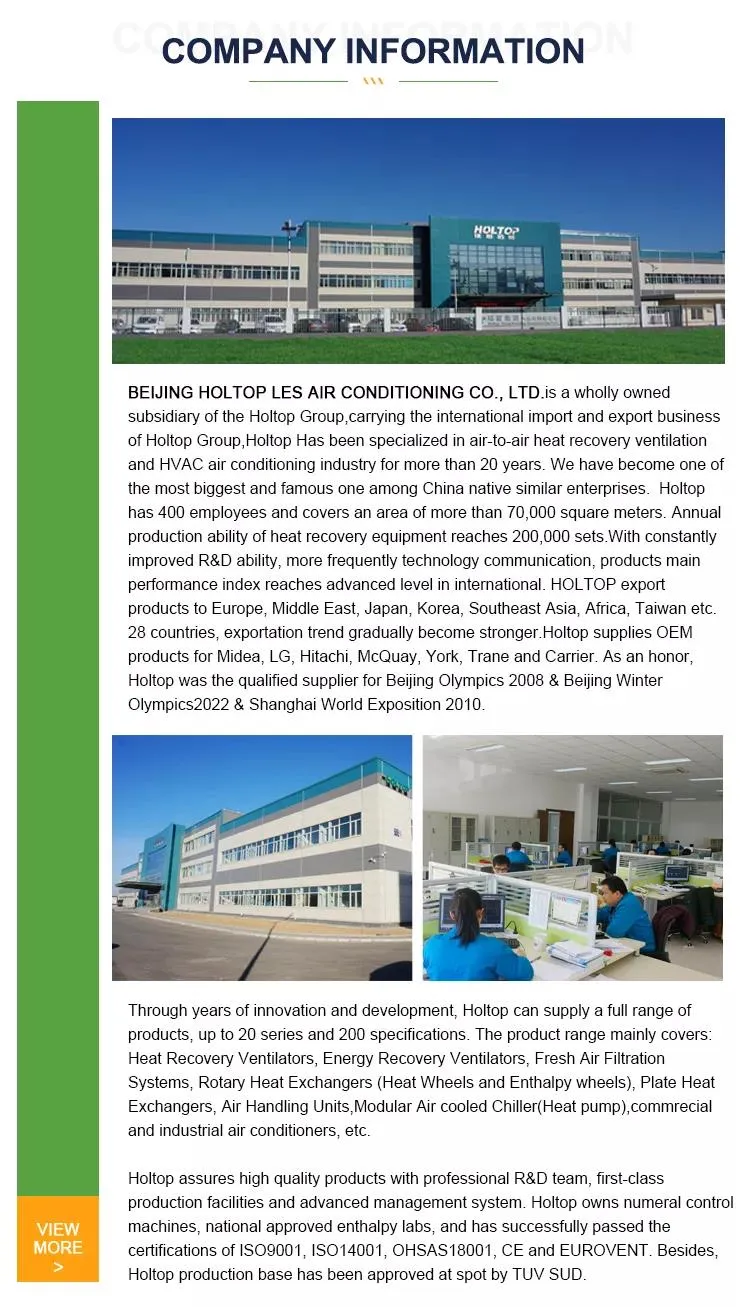
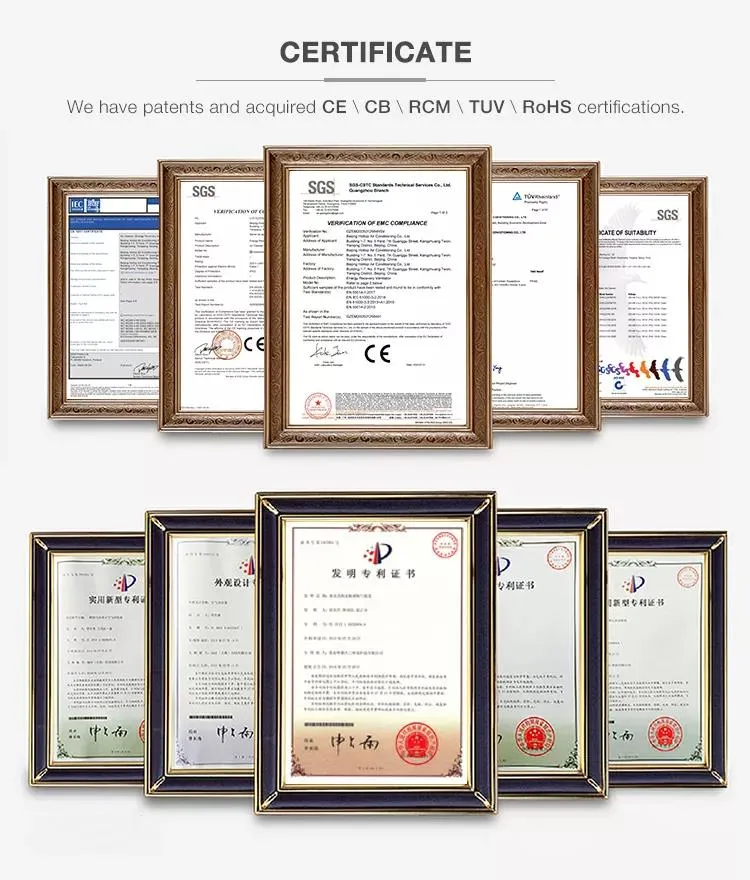
As a leading manufacturer specializing in air-to-air heat recovery equipment for over 16 years, we supply a wide range of products across 20 series. Our facilities feature national approved labs and certifications including ISO9001, ISO14001, OHSAS18001, CE, and RoHS. Every unit undergoes 100% testing before leaving the factory.
Production Lab
Manufacturing Facility
Global Partnerships
Frequently Asked Questions (FAQ)
What is the main difference between ERV and HRV?
HRV (Heat Recovery Ventilation) only transfers heat, while ERV (Energy Recovery Ventilation) transfers both heat and moisture (enthalpy), helping to maintain better indoor humidity levels.
How does the "Super Slim" design benefit my installation?
The height is reduced by 20% compared to standard units, making it ideal for residential apartments with limited ceiling void space.
Can I integrate this system with my existing AC?
Yes, by pre-cooling or pre-heating the incoming fresh air, it significantly reduces the workload and running costs of your air conditioning or heating system.
Is the PM2.5 filter included?
The PM2.5 filter is optional. It is highly recommended for areas with high outdoor pollution to ensure the incoming air is purified.
What motor options are available for the ventilators?
The standard models come with reliable AC motors, but high-efficiency DC motors are available as an option for even lower energy consumption.
How often does the enthalpy heat exchanger need maintenance?
Maintenance is easy thanks to the bottom access door. Generally, filters should be checked every 3-6 months depending on local air quality.

Related Products