In the fast-paced world of warehouse management, efficiency and safety are paramount. What is the role of lifting equipment in warehouse management? It enhances productivity, reduces manual labor, and minimizes the risk of injury. Modern warehouses use various lifting equipment like forklifts, pallet jacks, and cranes. These tools help in moving heavy goods swiftly, which is crucial for meeting tight deadlines.
Moreover, lifting equipment supports proper inventory management. It allows for stacking and retrieving products from high shelves. This capability maximizes storage space and streamlines operations. However, reliance on lifting equipment also brings challenges. Operators must be trained, and equipment maintenance is essential. Neglecting these factors can lead to accidents and inefficiency.
Ultimately, understanding the benefits of lifting equipment is vital for warehouse management. While it offers significant advantages, one must remain aware of potential pitfalls. Striking a balance between leveraging technology and ensuring safety is crucial for optimal warehouse operations.
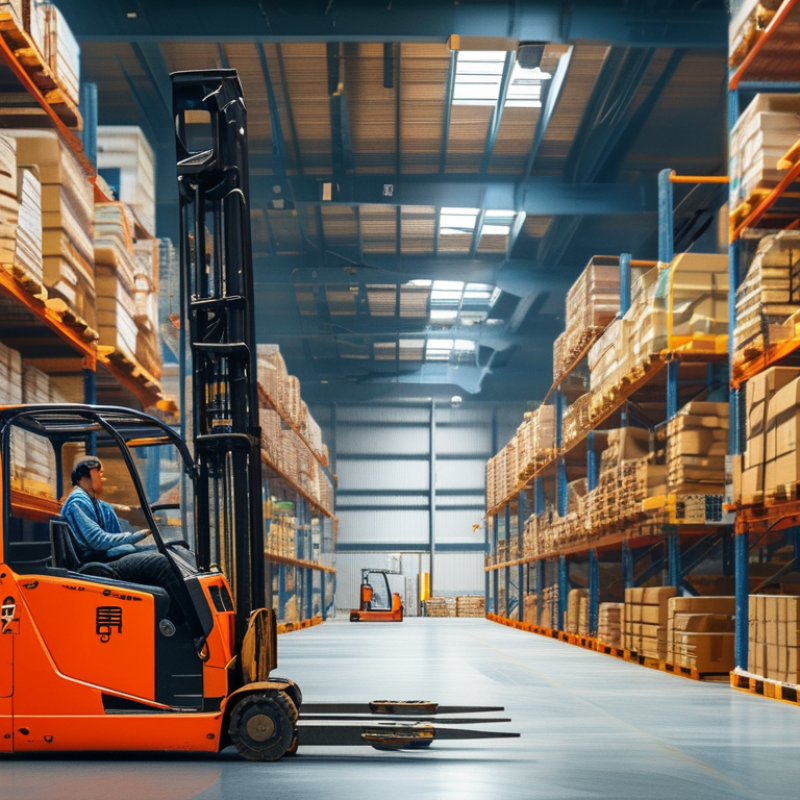
Benefits of Lifting Equipment in Enhancing Warehouse Efficiency
In the world of warehouse management, lifting equipment plays a pivotal role in boosting efficiency. These tools streamline operations and enhance productivity. They reduce manual handling, which minimizes the risk of injuries and fatigue among workers. A well-implemented lifting solution can transform the way goods are moved and stored. Smart use of these machines leads to faster processing times.
When integrating lifting equipment, consider the layout of your warehouse. Ensure there is enough space for machines to operate smoothly. Also, standardize training for staff. Proper training minimizes accidents and maximizes equipment use. Remember, a poorly trained operator can cause delays.
Regular maintenance of lifting equipment is crucial. Routine checks prevent unexpected breakdowns and keep operations running smoothly. Create a schedule for inspections to ensure reliability. This proactive approach saves time and resources in the long run. Invest in robust lifting solutions, but also be prepared for their challenges. Effective management and careful planning are key to truly enhancing warehouse efficiency.
Improved Safety Standards Through Advanced Lifting Solutions
In today's fast-paced warehouse environment, safety is paramount. Advanced lifting solutions significantly enhance safety standards. By employing equipment like automated cranes and pallet jacks, loads are managed efficiently. This reduces the risk of human error during manual lifting. Fewer accidents are reported, which benefits both workers and the organization.
However, implementation might pose challenges. Personnel must be adequately trained to use new equipment. Neglecting training can lead to safety hazards. Additionally, regular maintenance of lifting equipment is crucial. Faulty equipment can undermine safety efforts. Investing in proper training and maintenance can seem daunting, yet it is essential for the overall safety and efficiency of warehouse operations.
Warehouse managers must prioritize these advanced lifting solutions. The right equipment minimizes injuries and enhances productivity. As safety standards continue to evolve, adequate resources are vital. Embracing these changes can lead to a more secure and streamlined warehouse management process.
Cost Reduction and Productivity Boost from Automating Lifting Tasks
Automating lifting tasks in warehouses can lead to significant cost reductions and productivity boosts. According to a recent report by the Warehousing Education and Research Council (WERC), automated lifting equipment can reduce labor costs by up to 30%. This not only alleviates the financial burden but also allows for a reallocation of human resources to more strategic tasks.
In addition to cost savings, efficiency improves substantially. Research shows that warehouses utilizing automated systems can see productivity increases of about 25%. Tasks that were previously time-consuming can now be completed swiftly, allowing for better throughput. This can enhance customer satisfaction due to faster order fulfillment.
Tip: Regularly evaluate your lifting processes to identify areas for improvement. Even small adjustments can yield notable gains in efficiency. Investing in training for workers on new lifting equipment ensures everyone operates safely and effectively.
Warehouse managers should also reflect on their current equipment. Outdated machinery can create bottlenecks. Upgrading to modern solutions can potentially change the dynamics of warehouse operations. These decisions may seem daunting, but weighing the long-term benefits against initial costs is vital for successful management.
Optimizing Space Utilization with Smart Lifting Equipment
Smart lifting equipment plays a vital role in modern warehouse management. It optimizes space utilization by facilitating efficient stacking and retrieval processes. These machines can easily lift heavy loads, allowing warehouses to use vertical space effectively. Traditional methods often waste precious floor space. However, smart equipment, like automated cranes and lifts, minimizes this waste.
In addition, smart lifting equipment enhances safety by reducing manual handling. Fewer workers are needed to perform heavy lifting tasks. This decreases the risk of injuries associated with lifting accidents. It can also streamline workflows, making it easier to manage inventory. Yet, while these technologies are beneficial, reliance on machinery should be carefully considered. Over-dependence may lead to complacency among staff. Training is essential to maintain a balance between technology and human skill sets.
Furthermore, smart equipment can provide real-time data on inventory levels. This allows for more informed decision-making. However, inaccuracies can arise from sensor errors or system malfunctions. It’s crucial for managers to regularly assess the performance of their equipment. Identifying and addressing these issues improves overall efficiency and reliability in warehouse operations.
Enhancing Inventory Management with Lifting Technology
Lifting technology significantly enhances inventory management in warehouses. This technology streamlines operations, allowing for fast and efficient movement of goods. With the use of lifting equipment, workers can handle heavy items without risking injury. Safety is a major benefit, reducing workplace accidents. An effective lifting system can improve productivity by reducing the time spent on manual handling.
Another critical advantage is optimizing space utilization. Modern lifting devices enable vertical storage solutions. This means that more items can be stored within the same footprint. However, many warehouses still use outdated practices. Consequently, they miss opportunities for efficiency. Regular assessments of equipment and layout can reveal areas needing improvement.
Data accuracy is also a focal point. Efficient lifting equipment can align with inventory management software. This integration helps maintain real-time data on stock levels. Yet, inconsistent training can lead to improper equipment use. It’s essential to prioritize worker education to maximize the benefits of lifting technology. By addressing these challenges, warehouses can significantly enhance their inventory management practices.
Top 10 Benefits of Lifting Equipment for Warehouse Management
This chart illustrates the benefits of using lifting equipment in warehouse management, focusing on efficiency, safety, and inventory management improvements.
Conclusion
In modern warehouse management, lifting equipment plays a crucial role in enhancing overall efficiency and productivity. By automating lifting tasks, warehouses can significantly reduce operational costs while simultaneously boosting productivity. Advanced lifting solutions also contribute to improved safety standards, minimizing the risk of workplace injuries. Additionally, smart lifting equipment optimizes space utilization, allowing for better organization and accessibility of inventory.
What is the role of lifting equipment in warehouse management? It not only streamlines processes but also enhances inventory management through technology integration, ensuring that stock levels are accurately maintained and easily accessed. Overall, investing in advanced lifting equipment is essential for warehouses aiming to foster a safe, efficient, and productive working environment.

 Liftara Lift