How to Keep Lifting Equipment in Top Condition for Longevity?

Time:2026-05-07 Author:Sienna
0%

Lifting equipment is essential in various industries. Proper maintenance is crucial for ensuring its longevity and reliability. How to maintain lifting equipment for long-term use is the key question. Regular inspections can help identify issues early. Operators must be trained and aware of proper handling techniques.

Routine cleaning is important. Dirt and grime can lead to equipment failure. Using the right lubricants can prevent wear and tear. However, it’s easy to overlook small details. Neglecting minor issues can escalate into major problems.

Documentation plays a vital role. Keeping track of maintenance schedules ensures nothing is forgotten. Regular upkeep increases safety and reduces downtimes. Reflecting on past mistakes can help create a better maintenance plan. Ultimately, investing time in maintenance yields better results and extends equipment lifespan.
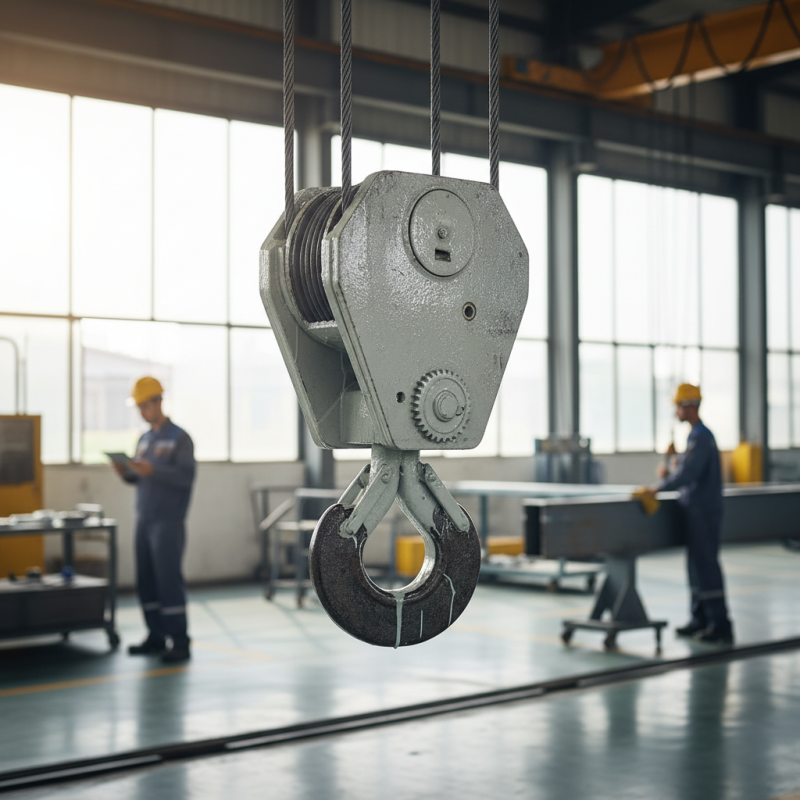
How to Keep Lifting Equipment in Top Condition for Longevity?

Importance of Regular Maintenance for Lifting Equipment

Regular maintenance for lifting equipment is crucial to ensure safety and efficiency. Ignoring scheduled checks can lead to malfunctions. A faulty device can cause accidents and costly repairs. Thus, investing time in regular inspections can save significant resources down the line.

Tips: Schedule monthly inspections. Check for wearing parts, rust, and fluid leaks. Conduct load tests to confirm that the equipment performs as expected. If you notice unusual sounds or vibrations during operation, address these immediately.

Moreover, keeping detailed maintenance records enhances reliability. Document each inspection and repair. This establishes a clear history and aids future troubleshooting. Regularly updating these records can also help in predicting when components may need replacements. Disregarding this practice could lead to oversight and unexpected downtime.

Essential Inspection Practices for Lifting Gear Longevity

Essential inspection practices play a vital role in prolonging the lifespan of lifting gear. Regular inspections can help identify wear and tear before they escalate into costly failures. According to a report by the Occupational Safety and Health Administration (OSHA), about 30% of workplace accidents are related to improper equipment maintenance. Thus, diligent inspections are critical.

One effective method is conducting daily checks. Operators should examine hooks, chains, and slings for any visible damage. A study from the American National Standards Institute (ANSI) reveals that 15% of lifting accidents arise from overlooked equipment defects. Keeping a detailed inspection log can aid in recognizing patterns in equipment performance. This practice encourages accountability and ensures compliance with safety standards.

Weight limits must be strictly adhered to. Exceeding these limits can severely compromise equipment integrity. A shocking 25% of lifting equipment failures resulted from overloading, according to recent industry data. Operators must remain vigilant and report any anomalies during inspections. Encouraging a culture of safety and awareness can significantly mitigate risks in the workplace.

Essential Inspection Practices for Lifting Gear Longevity

Best Cleaning Techniques for Lifting Equipment Care

Proper cleaning techniques are essential for lifting equipment maintenance. According to a report by the Occupational Safety and Health Administration (OSHA), inadequate maintenance is a leading cause of accidents in the lifting equipment sector. Regular cleaning can prevent the build-up of debris that can lead to equipment failure. Using a soft brush and mild detergent is recommended to remove stubborn dirt and grime without damaging components.

In addition, utilizing a thorough inspection routine after cleaning can reveal hidden issues. A study from the American Society of Safety Professionals (ASSP) emphasizes that routine inspections, combined with regular cleaning, increase equipment lifespan by approximately 30%. This proactive approach helps identify wear and tear early. It is crucial to ensure that cleaning does not overlook critical areas like pulleys or cables.

While it is important to establish a cleaning schedule, flexibility is key. If equipment is subjected to harsher environments, more frequent cleaning may be necessary. Often, neglect can lead to expensive repairs or accidents. Regular reflections on cleaning practices can foster a culture of safety and reliability.

Proper Storage Solutions to Preserve Lifting Equipment Condition

Proper storage solutions can significantly prolong the life of lifting equipment. According to the report by the Occupational Safety and Health Administration (OSHA), poorly stored equipment can suffer from wear and tear at an accelerated rate. In fact, faulty lifting devices account for over 20% of workplace accidents. Hence, maintaining a proper storage environment is crucial for safety and longevity.

Utilizing climate-controlled spaces is essential. High humidity can lead to rust, while extreme temperatures can degrade materials. Storing equipment on pallets or shelves elevates the gear off the ground, preventing moisture accumulation. Regular inspections of the storage area are advisable to identify any potential hazards before they cause damage.

Tip: Consider color-coding equipment by usage frequency. This makes it easier to track wear and identify when maintenance is due.

Implementing these practices may seem simple, but neglecting these details can lead to expensive repairs down the line. Inspections should include checking for visible wear, rust, and functionality. Best practices recommend documenting these inspections. This is crucial for accountability and ensures that all team members are aware of the equipment’s condition. Resting on assumptions leads to avoidable risks.

Understanding Wear and Tear: Signs to Monitor for Longevity

Monitoring wear and tear in lifting equipment is crucial for longevity. Operators must identify signs early to avoid costly repairs. Common indicators include unusual noises, vibrations, and increased friction. A report by the American Society of Mechanical Engineers (ASME) states that 50% of equipment failures are linked to inadequate maintenance. Regular inspections can capture these issues before they become serious.

Frequent visual inspections help detect corrosion or cracks. For hoists and cranes, check hooks and ropes regularly. According to the Occupational Safety and Health Administration (OSHA), nearly 88% of accidents are related to equipment misuse or neglect. A worn-out component can lead to equipment failure. Establishing a maintenance schedule can help keep track of these signs.

Data from the Maintenance Solutions Report reveals that organizations focusing on preventive maintenance can extend equipment life by up to 30%. This approach also reduces downtime. Operators should prioritize training programs to improve their awareness of warning signs. Understanding these aspects leads to safer work environments and ensures equipment remains functional longer. Ignoring wear and tear can have dire consequences.

FAQS

: How often should lifting equipment be inspected?

: Daily inspections are recommended to catch visible damage early.

What common signs indicate equipment wear and tear?

Look for strange noises, vibrations, rust, cracks, and increased friction.

Why is proper storage important for lifting gear?

It prevents rust, damage, and accelerates wear; use climate-controlled spaces.

How can storage practices extend equipment lifespan?

Elevate gear on pallets and regularly check the storage area for hazards.

What role does inspection documentation play?

It ensures accountability and helps track equipment performance over time.

What happens if weight limits are ignored?

Overloading can cause equipment failure, making inspections vital to detect anomalies.

How can a safety culture reduce risks?

Encourage vigilance, reporting issues, and regular maintenance for safer workspaces.

What are some easy ways to monitor wear?

Check hooks, ropes, and connections frequently for corrosion or cracks.

Why is preventive maintenance important?

It can extend equipment life by up to 30% and reduce costly downtime.

What's a simple tip to manage equipment wear?

Color-code gear based on usage frequency to spot when maintenance is needed.

Conclusion

To ensure lifting equipment remains in top condition for longevity, it is crucial to understand how to maintain lifting equipment for long term use. Regular maintenance is fundamental, as it helps prevent unexpected breakdowns and enhances safety. Essential inspection practices, including checking for signs of wear and tear, can significantly contribute to the effectiveness and durability of lifting gear.

In addition, employing the best cleaning techniques to keep equipment free of debris and contaminants, paired with appropriate storage solutions, preserves their condition when not in use. By staying vigilant about the state of lifting equipment and addressing any potential issues promptly, operators can maximize the lifespan and reliability of their gear, ensuring operations run smoothly and safely.

Sienna

Sienna

Sienna is a skilled marketing professional with a deep expertise in our company’s core products and services. With a passion for innovation and detail, she plays a pivotal role in crafting insightful blog posts that not only highlight the unique features of our offerings but also provide valuable......