Lifting equipment plays a crucial role in various industrial applications. Understanding what factors affect lifting equipment performance is essential for optimizing productivity and safety. This equipment often encounters challenges that can compromise its efficiency. From load capacity to maintenance practices, several elements influence how well these machines operate in demanding environments.
One major factor is operator skill. Even the best equipment requires a trained operator for efficient performance. Additionally, the surrounding environment can impact operations significantly. Weather conditions and workspace layout should be continuously assessed to ensure optimal functionality. Regular maintenance is another crucial consideration. Failing to address minor issues can lead to major failures down the line.
Yet, not all factors are easily controllable. Equipment age and design flaws can hinder performance in ways that may not be immediately apparent. Companies must regularly evaluate these variables. Understanding these elements leads to better decision-making. Ultimately, a proactive approach to managing equipment can enhance both safety and productivity in lifting operations.
Types of Lifting Equipment and Their Performance Metrics
Lifting equipment comes in various types, each designed to meet specific lifting needs. Common categories include cranes, hoists, forklifts, and jacks. Each type has performance metrics that define its effectiveness. For instance, cranes often measure lifting capacity, safety ratings, and operational speed.
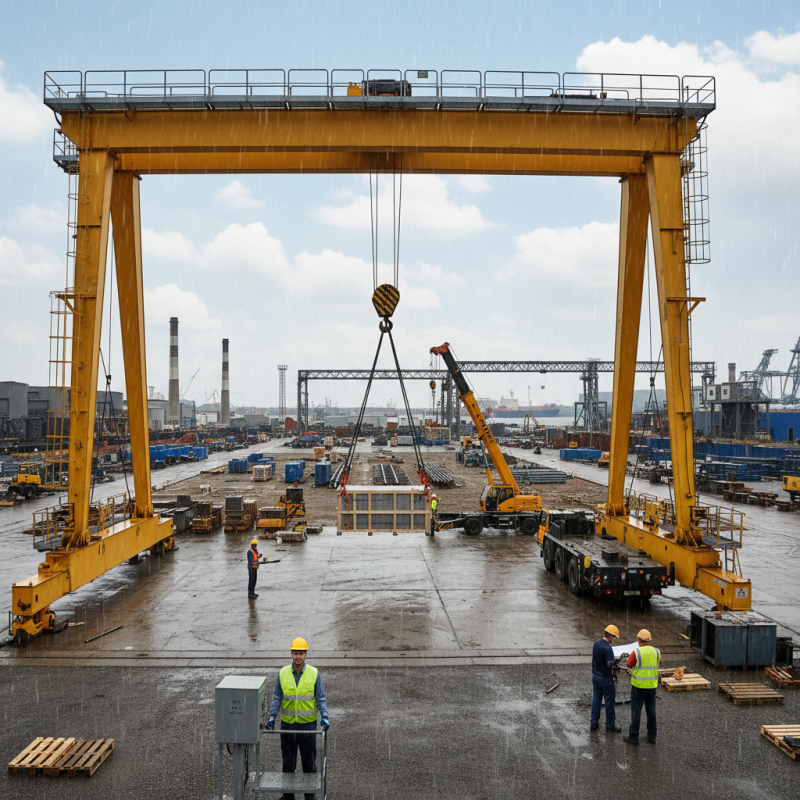
A crane's ability to lift heavy loads safely and efficiently is critical in construction.
Hoists serve a different purpose. Their performance can be evaluated based on lifting height and speed. They need to operate smoothly under load. It’s crucial for them to have reliable locking mechanisms. Forklifts are judged on lifting power and maneuverability. Their design requires a balance of stability and agility. A sudden shift can lead to tipping over.
Jack systems offer unique advantages. They are often rated by lifting height and weight. However, jacks can be susceptible to wear and tear. Regular inspection is vital for maintaining performance. These metrics directly affect job efficiency and safety. Users must weigh their options carefully. Choosing the right equipment ensures safe and efficient operations.
Load Capacity and Its Impact on Equipment Efficiency
Load capacity is a critical factor influencing the performance of lifting equipment. According to recent industry reports, equipment overloaded by just 10% can significantly reduce efficiency by up to 20%. For example, if a crane's load limit is exceeded, not only may the lifting speed decrease, but the risk of mechanical failure also rises. This underscores the importance of understanding the load limits for any lifting task.
Misjudging load capacity can lead to serious operational risks. Equipment that is consistently overstressed may suffer from premature wear and tear. A study from the International Journal of Industrial Equipment highlighted that overloading can lead to almost a 50% increase in maintenance costs over time. Operators must prioritize accurate assessments of weight and distribution to maintain efficient workflows.
Tips: Regularly train staff on the importance of adhering to load capacities. Simple checks can prevent potential hazards. Always read the equipment specifications carefully. Engaging in routine maintenance can also help identify any hidden issues early on. Prioritizing safety not only improves efficiency but helps protect the workforce.
Top 10 Factors Affecting Lifting Equipment Performance
Environmental Conditions Affecting Lifting Equipment Operations
Environmental conditions play a crucial role in the performance of lifting equipment. Factors such as temperature, humidity, and wind can significantly impact operations. High temperatures may cause materials to weaken, while excessive humidity can lead to equipment corrosion. On construction sites, poor weather can delay projects and increase risks.
Wind is another important factor. It can destabilize loads, making lifting operations dangerous. Operators must be aware of wind speeds and adjust their plans accordingly. Visibility can be affected by fog or rain, requiring extra caution. It’s essential to assess these environmental factors before commencing work to ensure safety and efficiency.
Noise levels can contribute to a challenging work environment. High noise may hinder communication, leading to mistakes. Operators should consider using communication devices to mitigate this. Investing in training for handling equipment under variable environmental conditions is beneficial. This ongoing process of evaluation and adjustment is necessary for maintaining high performance in lifting operations.
Top 10 Factors Affecting Lifting Equipment Performance
| Factor |
Description |
Impact Level (1-10) |
| Temperature |
Extreme temperatures can affect the integrity of materials and operational efficiency. |
8 |
| Humidity |
High humidity can lead to corrosion and affect electrical components. |
7 |
| Wind Speed |
Strong winds can destabilize loads and pose safety risks. |
9 |
| Ground Conditions |
Uneven or soft ground can lead to instability during operations. |
8 |
| Operator Skill |
Experience and training of the operator directly impact safety and performance. |
10 |
| Equipment Maintenance |
Regular maintenance ensures reliability and safety of lifting equipment. |
9 |
| Load Conditions |
Overloading or poor load distribution can lead to failures. |
10 |
| Environmental Pollution |
Pollutants can affect equipment performance and longevity. |
6 |
| Weather Conditions |
Rain, snow, or ice can hinder operations and reduce traction. |
8 |
Maintenance Practices and Their Role in Performance Optimization
Maintenance practices significantly impact lifting equipment performance. Regular inspections ensure that all components function optimally. Equipment operators should check for wear and tear. This includes cables, hoists, and hydraulic systems. Over time, neglect leads to breakdowns. Downtime can cost companies money and time.
Tips: Schedule regular inspections monthly. Document findings to track equipment condition over time. Replace worn parts before they fail.
Operators should also receive proper training. Understanding how to use equipment correctly can prevent unnecessary damage. Errors during operation increase risks and reduce equipment lifespan. Encourage a culture of safety and accountability.
Tips: Offer refresher courses each year. This can keep skills sharp and awareness high.
Establishing a robust preventive maintenance program is essential. It helps identify issues before they escalate. Yet, many organizations overlook this aspect. They may lack the resources or expertise needed.
Tips: Consider seeking third-party support for maintenance. Engaging experts can enhance reliability.
Operator Training and Competence in Utilizing Lifting Equipment
Operator training is a critical factor in
lifting equipment performance. Skilled operators can effectively utilize
machinery, minimizing risks and maximizing efficiency. Training ensures that operators understand the equipment's
limitations and capabilities. It also prepares them to respond to unexpected situations. A lack of training often
leads to mistakes that could have been avoided.
Effective training programs focus on practical skills and
theoretical knowledge. Operators should receive hands-on experience under supervision. This approach builds
confidence and competence. Simulators can also enhance training, allowing operators to practice in a safe
environment. Frequent evaluations ensure that skills remain sharp.
However, organizations sometimes overlook the importance of ongoing training.
New equipment or updated techniques may be ignored. Regular workshops can help bridge this gap and address
knowledge decay. Providing updates on best practices is essential for maintaining safety and performance
standards. By investing in continuous education, companies can foster a culture of safety and efficiency.
FAQS
: Conditions like temperature and humidity can weaken materials and cause corrosion. Operators need to assess these factors.
Wind can destabilize loads, making lifts dangerous. Operators must monitor wind speeds and adjust plans accordingly.
Adverse weather can delay projects and increase risks. Operators should prepare for these conditions before starting work.
Regular inspections prevent breakdowns and reduce downtime. Neglecting maintenance can lead to costly delays and accidents.
Operators should inspect cables, hoists, and hydraulic systems for wear. Early detection of issues can improve safety.
Proper training helps prevent errors that lead to damage. Regular refresher courses can keep operators' skills up to date.
It's a proactive approach to identify equipment issues before they escalate. Many organizations underestimate its importance.
Seeking third-party support for maintenance can improve reliability. Engagement with experts often pays off in performance.
High noise levels can hinder communication, leading to mistakes. Using communication devices is an effective solution.
Yes, some organizations may lack the resources. This oversight can lead to serious performance issues.
Conclusion
Understanding what factors affect lifting equipment performance is crucial for optimizing operations in various industries. This article highlights key considerations, beginning with the types of lifting equipment and their performance metrics, which set the foundation for efficiency evaluation. Load capacity is another critical factor, significantly influencing how effectively equipment performs under different weights and stresses.
Moreover, environmental conditions, such as wind, temperature, and humidity, play a vital role in the operational capabilities of lifting equipment. Regular maintenance practices are essential for ensuring longevity and optimal performance, while operator training and competence directly impact safe and efficient use. Together, these factors create a comprehensive understanding of how to enhance lifting equipment performance and achieve maximum operational efficiency.

 Liftara Lift