Industrial lifting equipment plays a crucial role in various sectors, from construction to manufacturing. Understanding how to extend the lifespan of industrial lifting equipment is vital for operational efficiency and safety. Regular maintenance, proper usage, and employee training are key factors that contribute to durability.
Many companies overlook routine inspections, leading to unforeseen breakdowns. It's essential to encourage a culture of responsibility around equipment care. Employees should understand the equipment functions and limitations. By fostering a proactive approach, the likelihood of accidents reduces significantly. However, it may be tempting to defer maintenance due to busy schedules, and this can be counterproductive.
Investing in high-quality equipment and parts is also critical. Cheaper alternatives might seem appealing, but they often lead to higher long-term costs. Regular training ensures everyone is on the same page regarding protocols. Remaining vigilant about wear and tear can prevent costly downtime. In addressing how to extend the lifespan of industrial lifting equipment, remember that a commitment to safety and quality pays dividends in the long run.
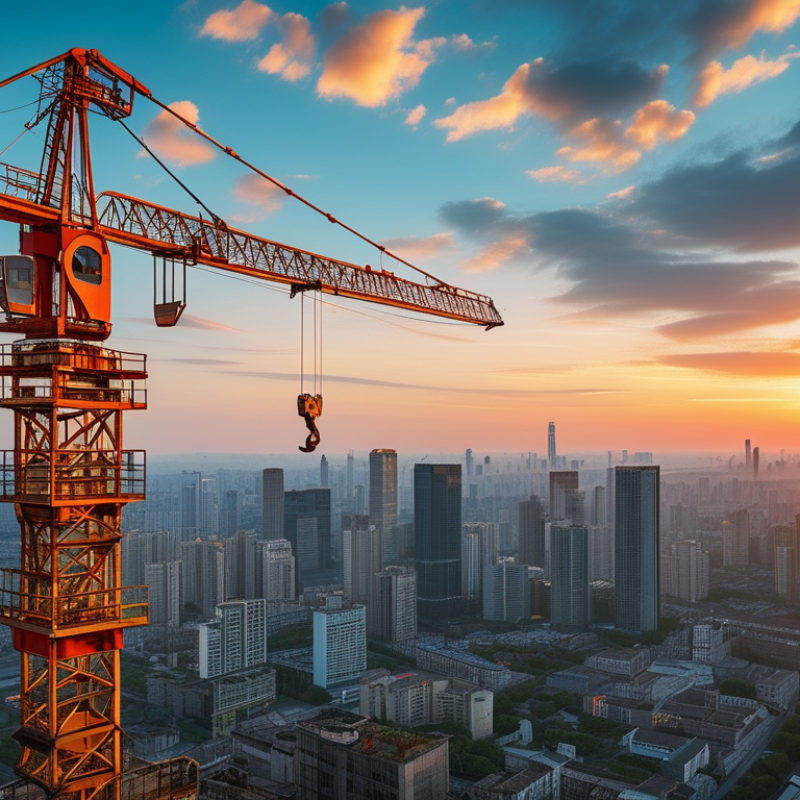
Regular maintenance of industrial lifting equipment is crucial for safety and longevity. Inspecting equipment daily is essential. Check for wear and tear on cables and hooks. Any signs of damage should be addressed immediately. Neglecting these checks can lead to hazardous situations.
Scheduled servicing is another key practice. Trained professionals should conduct detailed inspections at regular intervals. They will identify potential issues before they escalate. Cleaning equipment is also vital. Dirt and grease can cause malfunctions or reduce efficiency. Using appropriate cleaning agents is important here.
Documentation of maintenance activities is often overlooked. Keeping a log helps track the history of equipment. This provides insight into recurring problems. It can guide future maintenance decisions. Regular reviews of this documentation could reveal trends or persistent issues that need attention. Adopting a proactive approach aids in extending the lifespan of your lifting equipment.
Proper operator training and certification are critical in extending the lifespan of industrial lifting equipment. Well-trained operators minimize the risk of accidents that could damage machinery. Understanding load limits and safe operating procedures ensures that equipment is used correctly, reducing wear and tear.
Tips: Regular training updates can enhance skills. Encourage operators to attend refresher courses that cover new techniques and safety regulations. This keeps their knowledge current and sharp.
Another aspect is recognizing the signs of operator fatigue. Tired operators make mistakes. Schedule breaks to help maintain focus and efficiency. Investing in operator well-being directly benefits equipment longevity.
Equipment manuals should be part of the training. Operators need to understand maintenance procedures. Small issues can lead to larger problems if ignored. Ensure everyone knows how to recognize potential warning signs.
In today's industrial landscape, advanced technology plays a crucial role in extending the lifespan of lifting equipment. Monitoring equipment performance through real-time data collection is a key strategy. Reports indicate that predictive maintenance can reduce equipment downtime by up to 30%. This reduction not only enhances productivity but also prolongs equipment life.
By integrating IoT sensors and analytics, businesses can gain insights into the operational health of their lifting equipment. For instance, temperature fluctuations or unusual vibrations can signal potential issues. Early detection leads to timely repairs, preventing costly breakdowns. Industry findings suggest that companies adopting these technologies see a 25% decrease in maintenance costs over time.
However, not all organizations successfully implement these technologies. Some may struggle with data overload or lack the expertise to analyze the information effectively. This reflects a gap in understanding how to leverage advanced technology for equipment monitoring. Companies must invest not only in tools but also in training their workforce. By doing so, they can fully harness the potential of technology in maintaining their lifting equipment efficiently.
Implementing safe operating procedures is crucial for extending the lifespan of industrial lifting equipment. Regular training for operators enhances awareness of proper techniques. This reduces the risk of accidents and mechanical failures. It’s vital to document all procedures and ensure personnel follow them consistently. Clear guidelines can prevent misuse and unnecessary wear.
Regular equipment inspections are essential to maintaining reliability. Routine checks for wear and tear can catch issues early. Operators should be trained to identify signs of strain. Monitoring performance helps in making necessary adjustments before problems escalate. However, issues may still arise unexpectedly, emphasizing the need for a proactive approach.
Environmental factors also contribute to the lifespan of lifting equipment. Dust, moisture, and extreme temperatures can lead to faster degradation. Operators must be mindful of these conditions. Implementing cleaning protocols can mitigate these risks. Though it's challenging to maintain ideal conditions, striving for a safer working environment is worth the effort. Inconsistent practices can lead to mistakes, hindering safety and equipment longevity.
| Equipment Type | Average Lifespan (Years) | Common Wear Factors | Recommended Maintenance Frequency |
|---|---|---|---|
| Electric Hoists | 10 | Overloading, Lack of Lubrication | Monthly |
| Wire Rope Cranes | 15 | Corrosion, Misalignment | Quarterly |
| Forklifts | 8 | Battery Failure, Tire Wear | Weekly |
| Jib Cranes | 12 | Mechanical Wear, Environmental Factors | Bi-Annually |
| Chain Hoists | 7 | Chain Stretch, Dirt Accumulation | Monthly |
When it comes to selecting the right lifting equipment, understanding your specific tasks is crucial. Different tasks require different types of equipment. For example, a hoist may be ideal for lifting heavy loads vertically, while a forklift is better suited for horizontal movement. Analyzing the working environment is equally important. Factors such as space constraints, floor condition, and load distribution can significantly impact your choice.
Tip: Always assess the load's weight and dimensions before selecting equipment. An underrated detail could lead to equipment failure or accidents. Check load ratings and ensure the equipment you choose is rated for your specific use case. Adequate training for operators is also vital. Improper use, even with the right equipment, can cause safety hazards and damage.
Another point to consider is maintenance. Regular check-ups can enhance the longevity of your lifting equipment. Be proactive in identifying wear and tear. This includes inspecting cables, hoists, and hooks frequently. Neglecting these details could lead to unforeseen downtime and costly repairs.
Tip: Keep a maintenance log that tracks inspections and repairs. This log allows you to analyze trends and make informed decisions about your equipment's needs. Remember, the right choice today can save you time and expenses tomorrow.
This chart illustrates the impact of selecting the right lifting equipment based on specific tasks and environmental conditions on the lifespan of industrial lifting equipment.
: Regular maintenance ensures safety and extends the lifespan of lifting equipment. It helps identify potential issues early.
Equipment should be inspected daily. Operators must check for wear and tear on cables and hooks.
Any signs of damage should be addressed immediately to avoid hazardous situations.
Trained professionals should conduct detailed inspections at regular intervals to catch issues before they escalate.
Dirt and grease can cause malfunctions and reduce efficiency. Regular cleaning is essential for proper function.
Keeping a log tracks equipment history and highlights recurring problems, guiding future maintenance decisions.
Regular training enhances awareness of proper techniques, reducing risks of accidents and mechanical failures.
Dust, moisture, and extreme temperatures can cause faster degradation. Operators should manage these conditions.
Implementing cleaning protocols can help manage environmental risks, though ideal conditions are hard to maintain.
Striving for consistent practices and proper training is crucial for preventing mistakes that could lead to accidents.
To extend the lifespan of industrial lifting equipment, it is crucial to implement best practices for regular maintenance. Routine inspections and proper servicing can help identify potential issues before they become significant problems, ensuring the equipment remains in optimal condition. Additionally, proper operator training and certification play a vital role; well-trained operators are more likely to understand the equipment's limits and adhere to safe operating procedures, which minimizes wear and tear.
Utilizing advanced technology can enhance monitoring capabilities, allowing for real-time assessment of equipment performance. Moreover, selecting the right equipment tailored to specific lifting tasks and conditions can significantly reduce strain on the machinery and prolong its operational life. By following these strategies, organizations can maximize the efficiency and durability of their lifting equipment, effectively addressing how to extend the lifespan of industrial lifting equipment.

Liftara Lift