Working at height is a critical aspect of many industries. In 2026, safety standards continue to evolve. Workers face various risks, making it essential to understand what safety measures are required for working at height. Proper training and equipment are vital. Yet, even with safeguards, accidents can happen.
Consider the use of harnesses, scaffolding, and guardrails. Each plays a role in protecting workers. However, not all employers implement these measures consistently. This inconsistency raises serious concerns. Regular inspections and maintenance are also necessary. Workers need to know how to report unsafe conditions.
Despite advancements, the human factor remains unpredictable. Distractions and pressure can lead to errors in judgment. Awareness and vigilance cannot be overlooked. It is crucial to foster a culture that prioritizes safety. Every detail matters when working at height. Only through diligence can risks be minimized effectively.
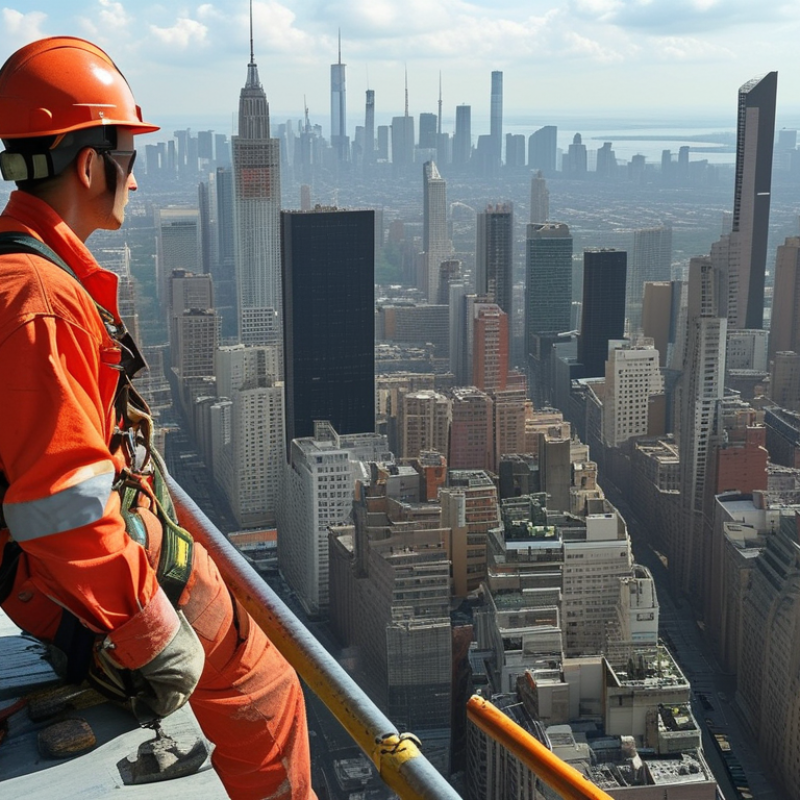
In 2026, the landscape of working at height will shift, demanding adherence to stringent safety regulations. Authorities are rolling out new guidelines aimed at minimizing risks associated with elevated work. These regulations will encompass equipment standards, training protocols, and risk assessment procedures. Proper harness usage and regular inspection of scaffolding will be emphasized.
Employers must engage in continuous education about safety practices. Nearly half of workplace accidents occur from falls. Trainings should delve into real-world scenarios, ensuring workers understand risks. Simple measures, like the presence of guardrails and ensuring clear communication, may be overlooked but are vital. Regular audits will ensure compliance and highlight areas needing improvement.
Workers should also be encouraged to voice safety concerns. Encouraging an open dialogue about risks can foster a culture of safety. After all, raising a red flag could save a life. Implementing these measures may require resources and time, but the benefits outweigh the challenges. As the year progresses, the focus will be not only on following rules but also on fostering a proactive safety mindset.
As we approach 2026, the way we ensure safety for workers at heights is transforming dramatically. Recent studies reveal that nearly 40% of workplace falls result from a lack of proper gear. Technology is stepping in to reduce these alarming statistics. Wearable safety devices, such as smart harnesses, are being designed to monitor the vitals and movements of workers at height. These devices can alert supervisors in real-time if an employee is in distress or has fallen.
Drone technology is also becoming crucial in height safety practices. They can now be deployed for site inspections, allowing for detailed assessments without putting workers at risk. According to a report by the National Safety Council, workplaces utilizing drone technology saw a 30% decrease in accidents related to height. However, these innovations still require careful implementation. Issues like battery life and connectivity can hinder their effectiveness on job sites.
Training remains essential as well. Implementing virtual reality (VR) for training purposes helps workers practice safety measures in a controlled environment. Reports indicate that VR training can improve retention rates by over 70%. Yet, there is still a gap in the adoption of these technologies across the industry, with many companies hesitant to fully commit. Safety measures must evolve, but so must the mindset of employers and workers alike.
Working at height presents unique challenges in modern industries. Risk assessment is crucial to ensure safety and compliance with regulations. According to a 2022 report by the International Labour Organization, falls from height account for about 40% of fatal workplace accidents. This statistic highlights the need for thorough risk assessments before any work begins.
When evaluating risks, consider factors like the working environment, weather conditions, and equipment used. It's also vital to involve workers in the assessment process. Their insights can identify potential hazards that may be overlooked. A study by the Health and Safety Executive found that 60% of accidents occurred when workers were not adequately trained or informed. This emphasizes the need for continuous education and training.
Incorporating safety measures can greatly reduce risks. Regular inspections of equipment and safety gear are essential. Workers should always wear appropriate personal protective equipment. Always have a rescue plan in place. A clear emergency protocol can make a difference in critical situations. Engaging workers in safety drills can build confidence and preparedness. Ultimately, a proactive approach to risk assessment is key to enhancing safety for those working at height.
In 2026, ensuring safety at heights is crucial. Training and certification for workers is a top priority. Proper training equips individuals with the skills to handle equipment correctly. Recognizing hazards is a critical part of this education. Workshops and courses must cover a range of scenarios, including wind conditions and equipment failure.
Certification bodies need to establish clear requirements. Accreditation ensures that training programs meet specific safety standards. Regular assessments and refreshers can address potential skill gaps. Workers often overlook the need for ongoing education. This is a mistake that could lead to serious accidents. Ensuring that workers are aware of the latest practices can help mitigate risks.
Additionally, hands-on training sessions are vital. They allow workers to practice in real-life conditions. This practical experience helps build confidence. Some may not grasp the importance of simulation exercises. These can be the difference between safety and disaster. Reflecting on past incidents can guide improvements in training programs. Continuous evaluation and adaptation of safety measures are essential for progress.
This chart illustrates the training and certification requirements for height safety workers in 2026, highlighting essential safety measures.
Emergency response protocols for height-related incidents are crucial in 2026. The construction industry reports that falls from heights remain a leading cause of workplace fatalities. In fact, data from the Occupational Safety and Health Administration (OSHA) shows that falls accounted for 33% of all construction fatalities in recent years. This statistic highlights the urgency of effective emergency protocols.
Worksites must establish clear communication channels. Supervisors should receive training on identifying hazards associated with heights. In case of an incident, rapid response is essential. Informing emergency services quickly can save lives. Ensure that all workers know the emergency plan. Regular drills can enhance overall preparedness.
When working at height, having rescue equipment readily available is non-negotiable. Keep a first aid kit on-site. Proper maintenance of safety harnesses and ladders is equally important. Assign safety officers to oversee equipment checks. This can help prevent accidents. Regularly review and update emergency protocols to adapt to new risks. Engage employees in discussions about safety improvements. Listening to their feedback can lead to real changes.
: Wearable safety devices, like smart harnesses, monitor workers' vitals and movements at heights.
Drones allow for safe site inspections, reducing the need for workers to be at risk.
Using drones led to a 30% decrease in height-related accidents in workplaces.
Proper training helps workers handle equipment and recognize hazards effectively.
VR enhances training retention rates by over 70%, allowing safe practice of safety measures.
Many companies hesitate to fully commit to new technologies, slowing progress in safety measures.
Continuous education helps workers stay updated on the latest safety practices and mitigates risks.
Practical experience builds confidence and helps workers handle real-life conditions better.
Programs must cover various scenarios, like wind conditions and equipment failure, for comprehensive education.
Reflecting on past accidents can guide the improvement of training programs and safety measures.
In 2026, ensuring the safety of workers at height requires a comprehensive understanding of what safety measures are required for working at height. Key regulations emphasize the importance of robust risk assessment procedures, allowing industries to identify and mitigate potential hazards effectively. Additionally, the integration of the latest technological innovations enhances safety practices, providing workers with advanced tools and equipment designed to minimize risks.
Training and certification requirements for height safety workers have evolved to meet contemporary challenges, ensuring that all personnel are equipped with the necessary knowledge and skills. Finally, well-defined emergency response protocols for height-related incidents are essential to protect workers and facilitate swift action in case of emergencies. Collectively, these measures create a safer working environment and significantly reduce the likelihood of accidents associated with working at height.

Liftara Lift