Choosing the right lifting technology is a critical decision in many industries. An industry report by the Material Handling Institute highlights that nearly 75% of businesses struggle with selecting appropriate lifting solutions. These technologies vary in efficiency, cost, and application. Understanding how to choose between different lifting technologies requires a deep dive into specific needs and operational contexts.
Different sectors have unique requirements. For example, a construction site may prioritize heavy-lift capabilities, while a warehouse may focus on speed and efficiency. A 2022 survey by the Occupational Safety and Health Administration found that 25% of workplace injuries involve lifting. This statistic underscores the importance of selecting the right technology to improve safety and efficiency.
It’s important to consider factors like load weight, frequency of use, and environmental conditions. While automated systems offer advantages, they may not always be the best choice for smaller operations. Reflecting on your specific circumstances can lead to better decision-making. Efficient lifting solutions not only enhance productivity but also contribute to safety and compliance in the workplace.
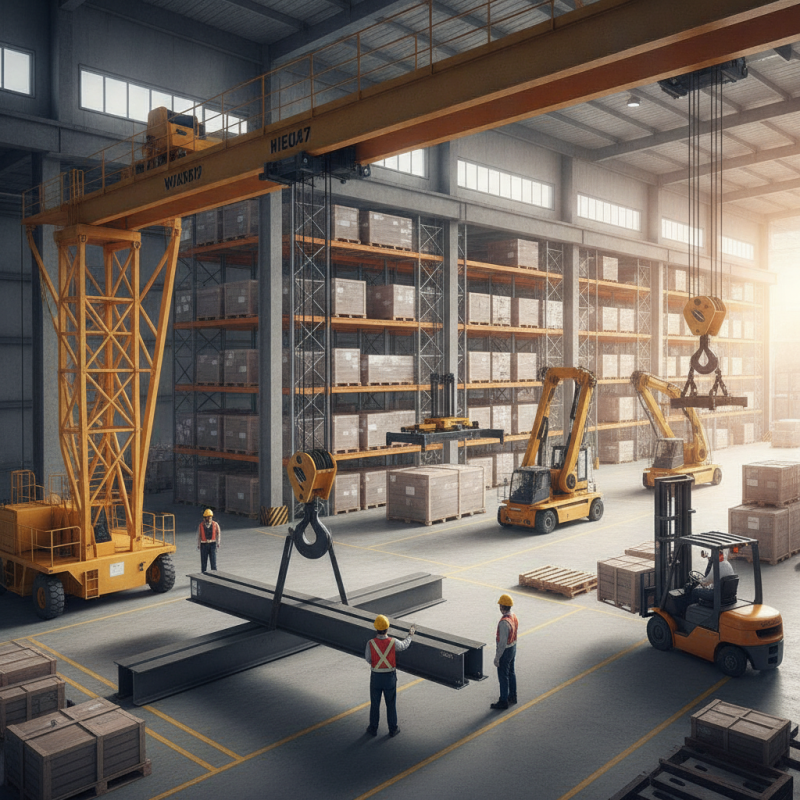
When considering lifting technology, it is important to understand the various options available. Each type has unique features suited to different applications. For instance, hydraulic lifts are known for their power and flexibility, making them ideal for heavy loads. They excel in environments where lifting capacity is paramount.
Electric lifts, on the other hand, offer smooth operations and energy efficiency. These are well-suited for indoor settings and routine tasks.
A less common option is the pneumatic lift. It uses air pressure, making it lighter and easier to install. However, it may not handle heavier weights as effectively. When choosing a technology, reflect on your specific needs. Consider the weight, frequency of use, and the physical environment. Each lifting technology has its strengths, but one size does not fit all. There can be shortcomings too. For example, hydraulic systems require regular maintenance to function efficiently.
Understanding these details is crucial in making an informed decision. It’s easy to overlook specific requirements in the selection process. Take the time to evaluate your operations thoroughly. A well-informed choice can lead to safer and more efficient lifting solutions. Ultimately, aligning the technology with your needs can minimize risks and enhance productivity.
: Electric lifts are easy to use and require minimal maintenance. They are energy-efficient and suitable for indoor environments.
Yes, hydraulic lifts can handle heavy loads and provide immense force. Regular inspections are necessary to avoid leaks.
Pneumatic lifts may struggle with heavy items and can face air leaks. This affects efficiency and increases maintenance costs.
Safety standards ensure equipment operates safely, minimizing accidents and protecting workers in construction and manufacturing.
Proper training is vital. Without it, even safe technology can become dangerous, leading to potential accidents.
Low initial costs may lead to higher long-term maintenance. A thorough cost-benefit analysis is essential for informed decisions.
Ongoing education helps navigate complex regulations and promotes safe operation within various industries.
Companies should assess operational needs and frequency of use to make informed financial decisions regarding lifting equipment.
Companies should consider past decisions and whether they met operational needs, guiding future investment choices.
Experts can clarify which technologies align with long-term goals, helping businesses avoid costly mistakes and improve efficiency.
When considering how to choose between different lifting technologies, it's essential to understand the various options available on the market, including electric, hydraulic, and pneumatic solutions. Each technology offers unique benefits and drawbacks, making them suitable for different applications. Key factors to consider include load capacity, operational environment, and energy efficiency, as these will directly impact the effectiveness of the equipment in your specific context.
Additionally, safety standards and regulations play a crucial role in the selection process, ensuring compliance with industry requirements. Conducting a cost-benefit analysis can also help in determining the initial investment versus long-term efficiency, guiding decision-makers towards the most suitable lifting equipment for their operational needs. Ultimately, a thorough evaluation of these aspects will lead to a well-informed choice that enhances productivity and safety in the workplace.

 Liftara Lift