Choosing the right lifting equipment for construction is crucial for project success. The construction industry is evolving, with global lifting equipment sales projected to reach over $60 billion by 2026. This growth underscores the demand for high-quality and reliable lifting solutions. However, selecting suitable equipment can be complex, influenced by factors like load capacity, site conditions, and safety regulations.
When considering how to choose the right lifting equipment for construction, professionals should prioritize safety and efficiency. Reports indicate that up to 33% of construction accidents involve lifting operations. Therefore, understanding equipment specifications is vital. Moreover, improper selection can lead to significant downtime and financial losses, impacting project budgets. Reflecting on previous projects and learning from mistakes can enhance decision-making.
Ultimately, the process requires careful evaluation of needs and circumstances. It is necessary to weigh the advantages of different equipment types. A lack of experience may lead to misjudgment. While innovations in technology are promising, they also bring new challenges. This ongoing evolution in lifting equipment demands continuous learning and adaptation from construction professionals.
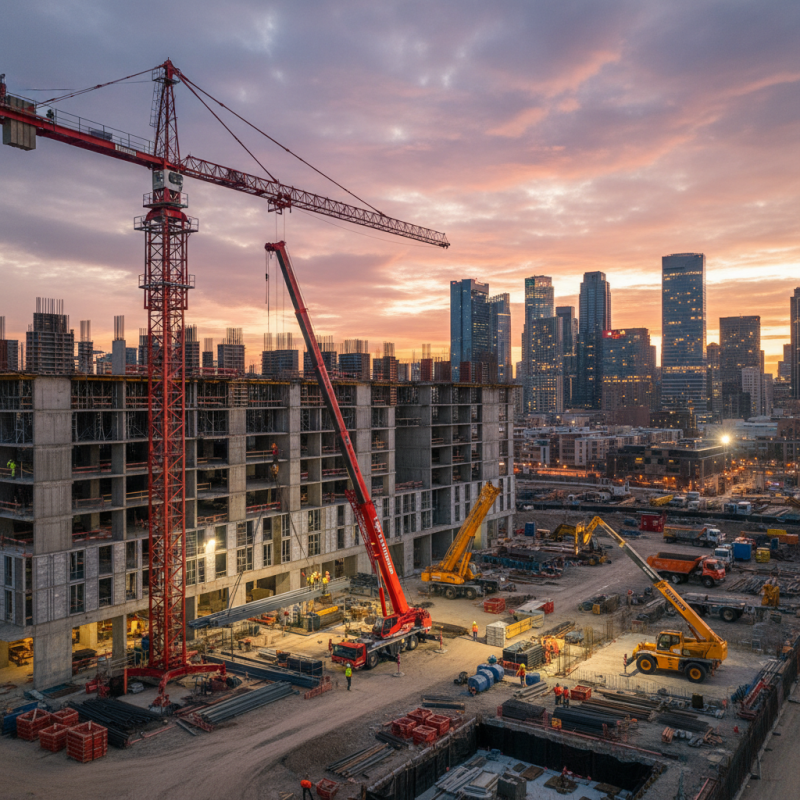
When it comes to construction, selecting the right lifting equipment is crucial. Various types of lifting devices are available, each serving different roles. Cranes are popular for heavy lifting. They come in different forms, such as tower cranes and mobile cranes. Tower cranes are ideal for tall structures. They can reach great heights and have a large lifting capacity. Mobile cranes, on the other hand, are versatile and easy to move around the construction site.
Forklifts are another essential piece of equipment. They excel in moving materials over short distances. Often used in warehouses and construction sites, they can lift heavy loads quickly. However, they require careful operation and proper training. Otherwise, accidents can occur.
Then, there are hoists, which are specialized tools for lifting. Often used for smaller loads, they can work in tight spaces. Understanding the distinctions between these types is vital for effective project management.
Choosing the appropriate equipment should consider the specific project demands. Site layout, load weight, and height must influence selections. Each type of lifting equipment carries its advantages and challenges. Not every piece fits every situation. It's important to reflect on the best options through careful planning and risk assessment. Selecting wisely ensures safety on the job site.
: Each lifting tool has a weight limit. Exceeding it risks equipment failure.
Equipment safety margins vary. It's wise to aim for a factor above minimum standards.
Regular checks can identify issues. Maintenance prevents unexpected failures and keeps workers safe.
Cheaper equipment might lead to higher maintenance costs. Analyze the total cost of ownership before buying.
Higher-quality equipment lasts longer. Balancing durability and initial investment is crucial for value.
Compliance prevents accidents. Local guidelines can vary, so check them to ensure safety.
Learning from mishaps helps in selecting better equipment. History can inform more reliable decisions.
Proper training reduces mistakes. Regular sessions help instill a culture of safety on-site.
Low upfront prices may conceal ongoing maintenance expenses. Always evaluate the complete financial picture.
Frequent repairs and breakdowns suggest inadequacy. Investing in reliable tools can save costs over time.
Choosing the right lifting equipment for construction is a critical task that requires careful consideration of various factors. The first step is to understand the different types of lifting equipment available, each designed for specific tasks and loads. Next, assessing the load capacity and safety factors is essential to ensure that the chosen equipment can handle the intended weight, minimizing the risk of accidents.
Additionally, evaluating the operating environment and site conditions can influence the selection process, as factors like space constraints and weather conditions may affect equipment performance. Cost, maintenance, and lifespan are also vital aspects, as they impact long-term budgeting and operational efficiency. Lastly, it's imperative to identify regulatory standards and compliance requirements to guarantee safety and legality of the equipment in use. By considering these elements, one can make an informed decision on how to choose the right lifting equipment for construction.

 Liftara Lift