How Does Automation Transform the Lifting Equipment Industry?

Time:2026-06-19 Author:Liam
0%

The lifting equipment industry faces a significant transformation due to automation. Many companies are embracing advanced technologies to enhance their operations. As we explore how automation impacts the lifting equipment industry, we notice both opportunities and challenges.

Automation introduces efficiency. Machines can handle heavy loads with precision and speed. This can lead to increased productivity on job sites. Workers are less likely to experience fatigue or injuries when dangerous tasks are often automated. However, this shift raises questions. Job displacement is a concern. Automated systems require fewer human operators. Will the workforce adapt?

Furthermore, the integration of automation is not flawless. Companies must invest in training and support. The initial costs can be high, and not all businesses can afford them. There is a need for careful planning and implementation. As we navigate this transformation, it is crucial to consider how these changes will shape the future of the industry.
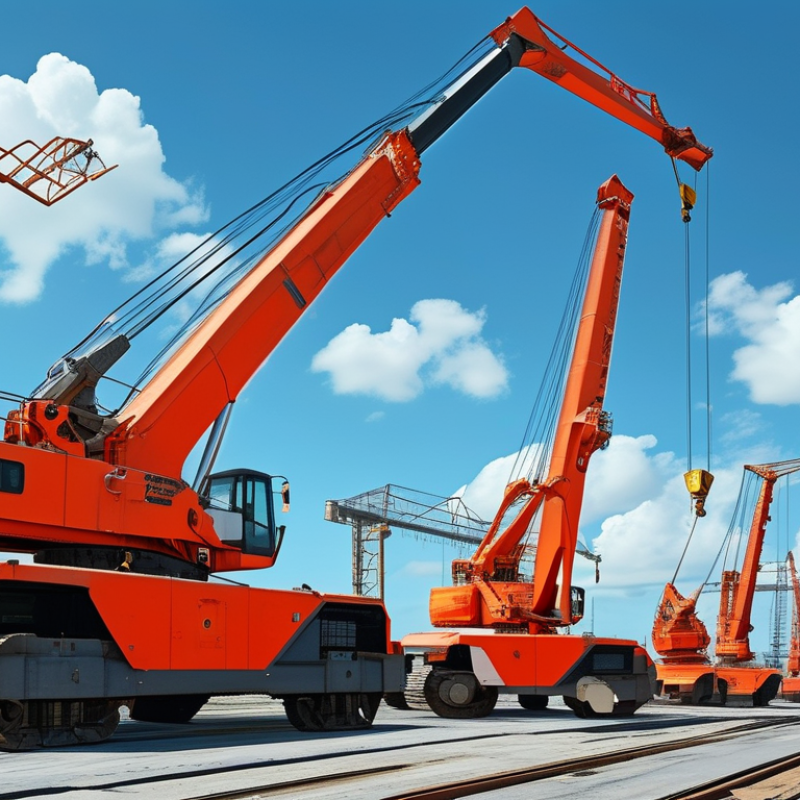
How Does Automation Transform the Lifting Equipment Industry?

The Evolution of Lifting Equipment: A Historical Perspective

The lifting equipment industry has a rich history. It dates back to ancient times when simple levers and pulleys were used. People relied on manual labor to lift heavy objects. As civilizations advanced, so did the technology. The invention of the steam engine marked a significant turning point. It allowed for more powerful lifting machines. These innovations changed how construction and transport were conducted.

By the 20th century, electrical lifting machinery became common. Electric cranes and hoists improved efficiency. They minimized labor-intensive processes. However, with every advancement, there were challenges. Safety concerns arose as machines became more powerful. Operators needed proper training to prevent accidents. This ongoing need for safety led to the establishment of industry standards.

Today, automation is reshaping the industry again. Robots are taking over repetitive lifting tasks. This technology can enhance precision and safety. Yet, it challenges the workforce. Workers must adapt to new skills. There are risks of job displacement. The question remains: Will automation benefit all? The evolution of lifting equipment shows that progress often comes with trade-offs.

Automation's Impact on the Lifting Equipment Industry

Key Technologies Driving Automation in Lifting Equipment

Automation is fundamentally reshaping the lifting equipment industry. Key technologies driving this transformation include IoT (Internet of Things), AI (Artificial Intelligence), and advanced sensors. These innovations enhance operational efficiency and safety standards. For instance, IoT enables real-time monitoring of equipment, predicting failures before they occur. This predictive maintenance reduces downtime and enhances productivity on job sites.

AI algorithms play a crucial role in optimizing lifting operations. They analyze vast amounts of data to create more efficient lifting plans. Incorporating machine learning facilitates continuous improvement in performance. However, dependence on technology can be a double-edged sword. An over-reliance on automated systems may lead to skill gaps among operators. Training and development remain essential in this evolving landscape.

**Tip:** Invest in ongoing training programs for workers to leverage new technologies. Continuous education ensures your team remains competent.

Moreover, advanced sensors provide precise load measurements and safety alerts. They augment traditional lifting processes, making them safer and more reliable. Companies must consider the balance between automation and human oversight. While automation offers efficiency, human intuition cannot be completely replaced.

**Tip:** Regularly review automation processes to identify areas for human intervention. Seek feedback from operators to improve system integration.

How Does Automation Transform the Lifting Equipment Industry? - Key Technologies Driving Automation in Lifting Equipment

Technology Description Benefits Impact on Industry
IoT Integration Connects lifting equipment to the internet for real-time data monitoring. Improved operational efficiency and predictive maintenance. Enhances safety and reduces downtime.
Robotics Use of automated robots for lifting and moving heavy loads. Increased precision and reduced labor costs. Transforms manufacturing and logistics processes.
AI and Machine Learning Intelligent systems that learn and adapt to improve efficiency. Enhanced decision making and reduced operational risks. Leads to smarter lifting solutions and resource optimization.
Remote Control Systems Allows operators to control lifting equipment from a distance. Increased safety for operators and flexibility in operations. Minimizes risk in hazardous environments.
Telematics Tracking technology that monitors equipment health and usage. Better fleet management and lower operational costs. Optimizes resource allocation and maintenance schedules.

Impact of Automation on Safety and Efficiency in the Industry

Automation is revolutionizing the lifting equipment industry. Safety has improved significantly. According to a report by the International Safety Foundation, automation can reduce accident rates by up to 40%. With robotic systems taking over heavy lifting tasks, human workers face fewer risks. This shift minimizes human error, which is often a major cause of workplace accidents.

Efficiency is another critical benefit. Automated systems operate continuously without fatigue. This leads to an increase in productivity, allowing operations to run smoothly. A study by Industry Insights indicates that automated lifting solutions can boost efficiency by 30% or more. However, the transition to automation is not without challenges. Training staff to work alongside new technologies can be a hurdle. Additionally, initial setup costs can be high, raising concerns for smaller companies.

Despite these hurdles, the potential advantages are significant. Automated equipment is capable of more precise movements. The increased focus on data analytics enables predictive maintenance, thus preventing downtime. Still, the industry must address the skills gap. As new technologies emerge, continuous learning becomes essential. Striking a balance between human expertise and automation will be key for future progress.

Challenges and Limitations of Implementing Automation

Automation is revolutionizing the lifting equipment industry. Yet, implementing automation comes with challenges that businesses must confront. High initial costs often deter companies from adopting new technologies. Many organizations struggle to justify the investment. Technical limitations can also hinder implementation, particularly with existing machinery. Older equipment may not easily integrate with advanced automated systems.

Additionally, workforce concerns arise. Employees may fear job loss due to automation. This anxiety can lead to resistance. Employees must adapt to new roles focused on oversight and maintenance. Proper training is essential for easing this transition. Comprehensive training programs can help workers develop skills to operate and maintain automated equipment.

**Tip**: Evaluate the current skills of your workforce. Identify gaps that require training before implementing automation.

Equally important is data security. Automated systems collect vast amounts of data. Protecting this information is crucial to maintaining trust. Cybersecurity measures should be a priority. Neglecting data security can have severe consequences.

**Tip**: Regularly audit your security measures. Stay updated on potential threats to your automated systems.

Future Trends: The Next Generation of Automated Lifting Solutions

The rising trend of automation in the lifting equipment industry is redefining operational practices. Advanced technologies, such as artificial intelligence and robotics, are becoming integral. Automated lifting solutions improve precision and efficiency. These innovations greatly reduce risks and enhance safety measures. Workers are now focusing on strategic tasks, leaving heavy lifting to machines.

Future trends promise even more robust solutions. Smart sensors may become standard in lifting equipment. These sensors can monitor loads and detect potential failures in real-time. Users can anticipate maintenance needs, which can minimize downtime. However, there remain concerns about data security and technology reliability. What happens if a system fails unexpectedly? The industry must address these questions moving forward.

Additionally, the human element is crucial. Automation does not replace the need for skilled operators. Training and upskilling are essential to ensure efficiency. An overreliance on technology can lead to complacency. Balancing automation with human oversight is key to future success. The evolution of lifting solutions will only be effective if it includes considerations for workforce engagement and safety protocols.

FAQS

: What was the primary lifting method in ancient times?

: Simple levers and pulleys were the main lifting methods used by people.

How did the steam engine impact the lifting equipment industry?

The steam engine allowed for more powerful lifting machines. This changed construction and transportation significantly.

What safety issues arose with the introduction of electric lifting machinery?

Safety concerns grew as machines became more powerful. Proper training for operators became essential to prevent accidents.

How is automation currently affecting the lifting equipment industry?

Automation is reshaping the industry by using robots for repetitive tasks, enhancing precision and safety.

What fears do workers have regarding automation?

Workers often fear potential job loss due to automation. This can lead to resistance against new technologies.

Why might companies hesitate to implement automation?

High initial costs and technical limitations can deter companies from adopting new technologies.

What factors should businesses consider before implementing automation?

They should evaluate current workforce skills and identify training gaps.

Why is data security a concern for automated systems?

Automated systems collect vast amounts of data, making protection crucial for maintaining trust and preventing breaches.

What should businesses do to ensure data security?

Regularly audit security measures and stay updated on potential cybersecurity threats.

Can automation benefit everyone in the lifting equipment industry?

The benefits of automation are unclear. Trade-offs and challenges exist that must be acknowledged.

Conclusion

Automation is fundamentally transforming the lifting equipment industry by enhancing safety and operational efficiency. Historical developments have laid the groundwork for the integration of key technologies such as robotics, IoT, and artificial intelligence, which streamline processes and reduce human error. The impact of automation on the lifting equipment industry is profound, as it not only boosts productivity but also significantly improves safety standards by minimizing risks associated with manual handling.

However, challenges such as high initial costs and the need for skilled personnel to manage these advanced systems remain significant hurdles. As the industry evolves, future trends indicate a shift toward the next generation of automated lifting solutions that will further revolutionize operations. Understanding how automation impacts the lifting equipment industry is crucial for stakeholders to adapt and thrive in this changing landscape.

Liam

Liam

Liam is a dedicated marketing professional with a profound expertise in the industry, where he excels at highlighting the unique advantages of our core products. With a keen understanding of market trends and consumer needs, Liam frequently updates our company’s professional blog, providing......