Choosing indoor lifting equipment in 2026 requires more than comparing lifting capacity and purchase prices. A crowded workshop, polished concrete floor, low ceiling, or narrow aisle can change the safest solution. Overhead bridge cranes suit repeated production routes. Jib cranes support focused workstations. Electric chain hoists offer flexible point lifting. Gantry cranes help where permanent installation is impractical. Vacuum lifters can reduce manual handling during glass or sheet movement.
The practical question is how to select lifting equipment for indoor use without overlooking small details. Ross Moloney, CEO of the Lifting Equipment Engineers Association (LEEA), has expressed a useful principle: “The right equipment must match the task, the load, and the working environment.” That principle deserves attention. A five-ton crane may still be unsuitable if its runway blocks lighting, exceeds floor limits, or cannot reach the required load path.
Begin with real operating conditions. Record the maximum and average load, lifting frequency, travel distance, headroom, aisle width, and available power. Check whether loads swing, rotate, or require precise positioning. Review manufacturer specifications, inspection access, emergency controls, and operator visibility. Indoor air quality also matters when comparing electric and engine-powered equipment.
Some choices remain imperfect. A cheaper hoist may reduce the budget today, but increase downtime later. A compact system may fit the room, yet limit future production. These compromises should be documented, not hidden. The best selection balances capacity, control, maintenance, ergonomics, and long-term reliability. Safety is not an accessory. It is the starting point.
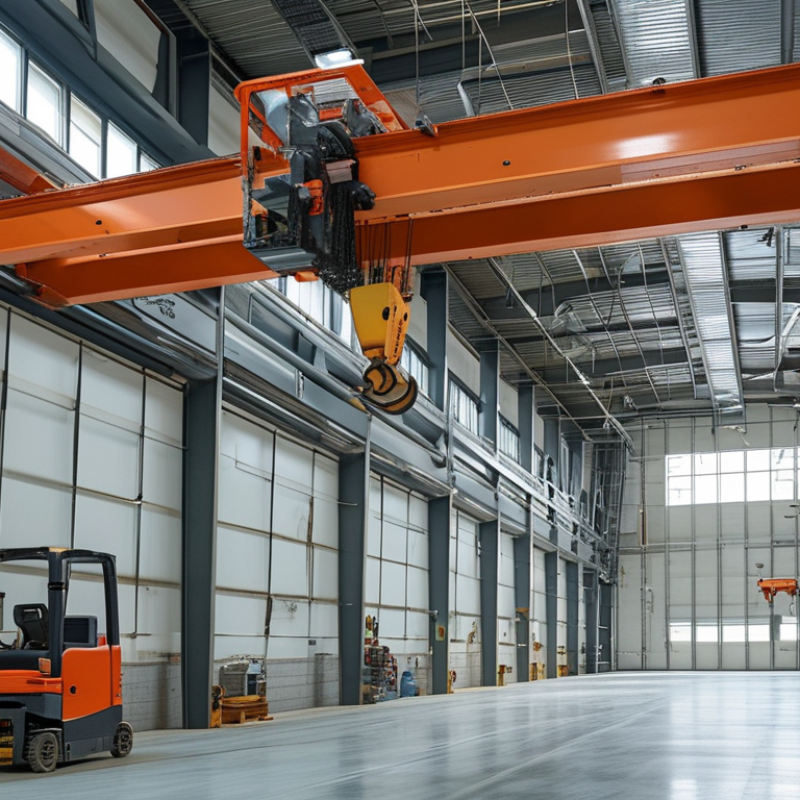
2026 Top Types of Indoor Lifting Equipment: How to Select?
In 2026, indoor lifting equipment includes overhead bridge cranes, gantry cranes, jib cranes, and electric hoists. Overhead cranes suit fixed production lines and frequent loads. Their runways keep floor space clear. Gantry cranes work well where permanent building support is unavailable. Jib cranes offer focused lifting around a workstation. They are useful for molds, motors, and tool assemblies. Electric chain hoists handle lighter loads in workshops. Wire rope hoists support heavier loads and longer lifting distances.
Vacuum lifters improve handling for glass, panels, and smooth metal sheets. They reduce manual strain when surfaces remain clean and sealed. Scissor lifts raise workers or materials to controlled working heights. They need enough floor space and stable ground. Mobile lifting tables provide flexibility for packing areas and maintenance rooms. Compact equipment sounds convenient. It can still become awkward in narrow aisles.
Selection should match rated capacity, lifting height, duty cycle, travel speed, and available headroom. Measure doors, columns, floor strength, and turning areas before buying. A competent person should review load charts and emergency controls. Inspection records matter more than attractive specifications. I have seen teams choose capacity correctly but ignore side-pull risks. That mistake can damage equipment quickly. Smart sensors may track overloads and maintenance intervals, but they cannot replace trained operators. No system is perfect. Regular checks remain essential.
The chart compares typical rated-capacity ranges for major indoor lifting equipment types. Select equipment according to the maximum load, lifting frequency, available headroom, travel distance, installation structure, control method, and required safety features. The ranges are indicative industry values; the final selection must be verified against the equipment nameplate, applicable regulations, and a qualified lifting engineer’s assessment.
Indoor lifting equipment must match the load, travel path, ceiling height, and daily duty cycle. Overhead bridge cranes use runway beams to move heavy materials across fixed work areas. They suit repetitive production lines, casting rooms, and maintenance workshops. Pendant controls are simple, but operators still need clear visibility and formal training. Gantry cranes stand on floor-mounted legs and need less building support. They work well where permanent runway installation is impractical. Electric chain or wire-rope hoists provide controlled vertical lifting. Hoists are practical for repair stations and compact assembly cells.
Forklifts combine lifting, carrying, and short-distance transport. Counterbalance models handle pallets near loading doors and storage aisles. Reach trucks suit narrow warehouse corridors, although turning errors can damage racks. Manual or electric pallet stackers offer a smaller footprint for lighter loads. Scissor lifts raise workers and tools to stable vertical platforms. They support lighting, inspection, and indoor installation tasks. Their platforms require firm, level floors and controlled movement.
Selection should consider rated capacity, load shape, lift height, aisle width, power supply, and inspection access. In practice, a slightly higher capacity often improves control and reduces equipment strain. However, oversizing can waste floor space and energy. I have seen teams focus on maximum load while ignoring side clearance. That mistake creates delays. Check duty cycles, emergency stops, guarding, and maintenance records before purchase. A site trial with the real load can reveal problems that specifications miss. Shortcuts rarely stay cheap.
Choosing indoor lifting equipment starts with the load, not the machine. Record the heaviest item, its center of gravity, and any sudden movement during lifting. A hoist, lift table, stacker, or overhead crane must have a rated capacity above the working load. Add a reasonable safety margin, but do not guess. Check the equipment’s technical documentation and inspection records.
Height requires more than measuring the ceiling. Note the pickup height, storage height, hook travel, and clearance around beams, lights, and sprinklers. A narrow aisle may suit a compact stacker but restrict turning space. Floor strength also matters, especially for mobile equipment carrying dense loads. Workplace conditions can change the decision. Dust, moisture, heat, uneven flooring, and frequent pedestrian traffic may affect equipment reliability and operator visibility.
Tips: Walk the route with a measuring tape before choosing. Mark the load’s highest point and the equipment’s turning area. Ask a qualified lifting professional to verify capacity, stability, and workplace risks. A tidy calculation can still miss a low doorway or an unstable pallet. That happens. Recheck the plan during a quiet trial lift, then revise it if the equipment feels slow, crowded, or difficult to control. Keep the final assessment specific to the actual load, route, and working environment.
How to Assess Lifting Capacity, Height, and Workplace Conditions
| Equipment Type | Typical Rated Capacity | Typical Lifting Height | Best Indoor Applications | Workplace Conditions | Mobility and Installation | Key Selection Criteria | Main Limitations |
|---|---|---|---|---|---|---|---|
| Manual Hydraulic Pallet Truck | 2,000–3,500 kg | 80–200 mm | Moving palletized goods over short distances at floor level; loading and unloading from low platforms. | WarehousesRetail areas Requires a reasonably smooth, level floor. |
Highly mobile; no fixed installation or battery charging required. | Check pallet dimensions, fork length, turning radius, floor condition, ramp gradient, and operator effort. | Not suitable for stacking goods or lifting loads to elevated storage levels. |
| Electric Pallet Truck | 1,500–2,500 kg | 80–210 mm | Frequent horizontal transport of pallets in distribution centers, production areas, and back-of-store operations. | Medium-dutyIndoor use Works best on smooth concrete floors with adequate aisle width. |
Battery powered and mobile; some models include powered travel and lift functions. | Assess daily travel distance, battery runtime, charging location, aisle width, noise limits, and ramp requirements. | Limited lift height; battery charging and maintenance space are required. |
| Walkie Stacker | 1,000–2,000 kg | 1,600–3,600 mm | Stacking pallets at low and medium heights where a full-size forklift is unnecessary. | Medium-dutyLow-noise areas Needs level floors and sufficient clearance above the mast. |
Pedestrian-operated; compact turning radius and no counterweight at the rear. | Confirm load center, mast height, aisle width, floor load rating, battery capacity, and overhead obstructions. | Lower travel speed and residual capacity at maximum lift height; not ideal for rough floors. |
| Counterbalance Forklift | 1,500–5,000 kg | 3,000–7,000 mm | General pallet handling, truck loading, production-line supply, and high-frequency warehouse operations. | Heavy-dutyIndoor logistics Requires marked traffic routes, ventilation where applicable, and adequate aisle width. |
Highly mobile but requires trained operators and a larger turning radius than pedestrian equipment. | Evaluate rated capacity at the required load center, mast type, aisle width, overhead clearance, fuel or battery system, and floor quality. | Higher operating space and safety requirements; combustion-powered versions may be unsuitable for enclosed areas. |
| Reach Truck | 1,000–2,500 kg | 6,000–12,000 mm | High-density pallet storage in narrow-aisle warehouses and distribution centers. | High-bay storageSmooth floors Requires very flat floors, rack protection, and controlled pedestrian traffic. |
Electric and highly maneuverable; designed for narrow aisles rather than outdoor travel. | Check capacity at maximum height, aisle width, rack beam height, floor flatness, battery charging, and visibility. | Performance decreases on uneven floors, ramps, outdoor surfaces, and poorly maintained storage areas. |
| Order Picker | 900–1,500 kg platform load | 2,500–10,000 mm | Piece-picking and replenishment from shelving or rack levels in e-commerce and parts warehouses. | Picking operationsIndoor use Requires fall-protection features, clear aisles, and organized pedestrian zones. |
Electric, compact, and designed for operator access at elevated levels. | Assess platform capacity, operator elevation, picking frequency, rack layout, fall protection, and battery endurance. | Not intended for transporting standard pallets in the same way as a counterbalance forklift. |
| Electric Scissor Lift Table | 300–2,000 kg | 600–1,800 mm | Ergonomic work positioning, pallet handling, assembly, packing, and machine loading. | Indoor productionErgonomic workstations Needs a stable, level floor and sufficient platform clearance. |
Available as mobile or stationary equipment; powered by electric hydraulic systems. | Check platform size, raised and lowered height, duty cycle, load distribution, edge protection, and access method. | Usually offers less vertical reach than a mast lift; unevenly distributed loads can affect stability. |
| Mobile Hydraulic Lift Table | 150–1,000 kg | 400–1,500 mm | Moving components, tools, cartons, and work-in-process materials between benches or production stations. | Light-dutyAssembly areas Suitable for smooth indoor floors and short travel distances. |
Manual push or semi-powered movement; compact and easy to position. | Consider wheel size, brake performance, platform dimensions, handle height, load stability, and lift frequency. | Limited capacity, travel speed, and lift height compared with powered industrial trucks. |
| Electric Hoist with Overhead Crane | 1–20 tonnes | 3–20 m, depending on building structure | Moving dies, molds, machinery, steel components, and heavy loads along a defined production bay. | Heavy-dutyFixed work zones Requires verified structural support, controlled lifting zones, and sufficient headroom. |
Fixed or runway-mounted; provides excellent coverage within the installed travel path. | Verify building load capacity, span, headroom, duty classification, power supply, hook approach, load center, and inspection requirements. | Limited to the crane coverage area; installation and structural modifications may be substantial. |
| Gantry Crane | 1–10 tonnes | 2–10 m | Heavy component handling in workshops, maintenance bays, fabrication areas, and temporary work zones. | Heavy-dutyWorkshop use Requires a level floor, clear travel path, and controlled access under the beam. |
Freestanding or semi-portable; can be relocated when designed for that purpose. | Assess span, safe working load, wheel or end-truck design, floor condition, headroom, and manual or powered travel. | May obstruct floor space and cannot be safely moved while carrying a suspended load unless specifically designed for it. |
| Jib Crane | 125–5,000 kg | 2–6 m | Repetitive lifting within a workstation, machine cell, loading point, or maintenance area. | WorkstationsRepetitive handling Requires a strong floor, wall, column, or foundation and a defined operating radius. |
Fixed or freestanding with a rotating boom; provides localized coverage. | Check boom length, rotation angle, capacity at the boom tip, foundation strength, hook height, and obstruction zones. | Does not cover a large warehouse area; capacity may vary along the boom depending on design. |
| Vacuum Tube Lifter | 10–300 kg | 1.5–4 m | Handling cartons, bags, sheets, glass, panels, and containers with frequent pick-and-place cycles. | Clean environmentsErgonomic handling Requires a reliable vacuum supply and suitable, reasonably airtight load surfaces. |
Usually suspended from a jib or overhead rail; enables fast operator-guided movement. | Assess surface porosity, shape, temperature, gripping area, vacuum reserve, cycle rate, and emergency release protection. | Not suitable for highly porous, damaged, irregular, or contaminated surfaces without an appropriate lifting attachment. |
| Pneumatic Balancer | 50–1,000 kg | 1.5–4 m | Precision positioning of tools, components, dies, and parts during assembly or manufacturing. | Low-spark areasAssembly lines Needs properly filtered and regulated compressed air. |
Suspended from a crane, jib, or rail; provides controlled, near-weightless handling. | Check air pressure, flow rate, load range, stroke, response speed, gripper design, and hose routing. | Requires a dependable compressed-air system and may be less energy-efficient than electric equipment for some applications. |
| Material Lift | 150–450 kg | 1.5–7.5 m | Raising tools, lighting equipment, HVAC components, cartons, and light materials in maintenance or construction areas. | Light-dutyMaintenance work Requires a stable base, clear vertical path, and secured load. |
Portable or semi-portable; commonly operated manually or with an electric winch. | Evaluate platform or fork attachment, folded dimensions, stabilizer footprint, maximum height, and transport route. | Lower capacity and slower operation than industrial forklifts or cranes; load securing is critical. |
| Personnel Lift | 120–300 kg platform load | 3–14 m working height | Indoor inspection, lighting maintenance, inventory checks, and access to elevated service points. | Personnel accessIndoor maintenance Requires a firm floor, protected travel path, and appropriate guardrails. |
Mobile, usually electric, with compact models available for narrow aisles and doorways. | Check platform capacity, working height, doorway dimensions, floor loading, guardrail compliance, emergency lowering, and operator training. | Designed for people rather than general material lifting; must not be used as a substitute for a material lift. |
Indoor lifting equipment should be selected around risk, not lifting capacity alone. Forklifts, overhead cranes, hoists, and scissor lifts create different failure points. OSHA reports about 85 annual forklift fatalities and 35,000 serious injuries in the United States. That figure deserves attention.
Check the applicable safety standard before purchasing. OSHA 1910.178 requires powered industrial truck operators to complete formal instruction, practical training, and workplace evaluation. Refresher training is required after unsafe operation, an accident, or workplace changes. Operators should also understand load charts, blind corners, floor limits, emergency stops, and battery charging controls. Shortcuts happen. They should not become normal.
Maintenance planning must match usage, dust, heat, and load frequency. Daily checks should cover brakes, chains, hooks, tires, guards, alarms, and visible hydraulic leaks. HSE’s LOLER guidance generally requires thorough examinations at least every 12 months, or every six months for lifting accessories, unless a competent person sets a different interval. Keep inspection records with defect descriptions, repair dates, and responsible personnel. A clean checklist is not proof of safe equipment. A rushed inspection can miss a cracked weld or stretched chain. Selection teams should include operators and maintenance technicians, because paperwork rarely reveals every awkward aisle or unstable floor.
Selecting the best indoor lifting equipment starts with the facility, not the catalog. Measure aisle width, ceiling height, floor strength, and available power. Record the heaviest load, its shape, and how often it moves. A 500-kilogram load may need different equipment when it is long, unstable, or frequently repositioned.
Electric chain hoists suit repeated vertical lifting in workshops and assembly areas. Overhead cranes help cover larger work zones without blocking floor space. Lift tables support ergonomic positioning, while electric stackers work well in storage aisles. For each option, check rated capacity, lifting speed, travel distance, control response, and emergency stopping features. Keep a clear margin below the maximum rating.
I have seen equipment selected by capacity alone. That approach misses floor loading, operator visibility, and maintenance access. Leave room for inspection and safe load handling. Ask whether workers can attach the load without awkward reaching or standing beneath suspended materials. Noise and battery charging also matter indoors. A quiet machine may improve communication, but a poorly placed charging area can create new delays.
Request technical documents, inspection records, and training requirements from qualified suppliers. Confirm that the equipment fits applicable workplace safety rules and your facility’s risk assessment. Test the proposed layout with an empty trolley or marked floor zone before purchase. Small assumptions often become expensive changes.
: Start with the load, route, ceiling height, floor strength, and daily movement frequency. Measure everything. Record the load’s weight, shape, center of gravity, and highest travel point.
Electric chain or wire-rope hoists suit workshops and compact assembly areas. They provide controlled vertical movement. Check hook travel, rated capacity, emergency stopping, and inspection access before use.
An overhead crane suits repetitive lifting across fixed work zones. It can preserve floor space beneath the runway. Clear visibility and trained operators remain essential.
A gantry crane works where permanent runway beams are impractical. Its legs stand on the floor. Check floor strength, travel clearance, and pedestrian separation carefully.
Electric stackers or compact reach equipment can suit narrow aisles. Measure turning space, rack clearance, and load height first. A small turning error may damage storage structures.
The rated capacity must exceed the working load with a reasonable safety margin. Do not guess the margin. Consider sudden movement, unstable shapes, and the load’s center of gravity.
Measure pickup height, storage height, hook travel, and clearance around beams, lights, and sprinklers. A tall ceiling does not guarantee usable lifting height. A low doorway can stop the entire plan.
A trial with the real load can expose slow movement, poor visibility, or crowded turning areas. Mark the equipment zone on the floor. Specifications can miss practical problems.
Review dust, moisture, heat, uneven floors, pedestrian traffic, power supply, and battery charging space. These conditions can affect reliability and visibility. A tidy plan may still overlook a difficult charging location.
Review inspection records, maintenance history, guarding, emergency stops, training needs, and applicable workplace requirements. Keep access clear for inspections. Shortcuts rarely stay cheap.
In 2026, indoor lifting equipment includes electric hoists, overhead cranes, mobile lifting tables, stackers, and compact material lifts. Each type serves different needs: hoists support vertical lifting, cranes move loads across a work area, lifting tables adjust working height, and stackers handle pallets in storage or production zones. Choosing the right solution depends on load capacity, lifting height, travel distance, operating frequency, available floor space, ceiling height, and workplace conditions such as narrow aisles, moisture, dust, or temperature changes.
To understand how to select lifting equipment for indoor use, facilities should compare performance, safety, maintenance, and operator requirements together. Equipment should include suitable load-control features, emergency protection, guarding, and clear operating instructions. Regular inspections, preventive maintenance, and operator training are essential for reliable use. The best choice is a practical system that matches the facility’s workflow, supports safe and efficient handling, fits the available environment, and offers reasonable long-term maintenance costs.

Liftara Lift