Downtime in lifting equipment can stop an entire worksite within minutes. A stalled crane, hoist, or forklift may leave operators waiting beside unfinished loads. Production slows, delivery schedules shift, and maintenance costs increase quickly. Understanding how to reduce downtime in lifting equipment operations requires more than reacting to breakdowns.
This guide presents ten practical ways to improve equipment availability and operational reliability. It examines preventive maintenance, operator training, inspection routines, spare parts, load management, and condition monitoring. These methods reflect established practices used by maintenance teams, safety professionals, and experienced lifting supervisors. A simple example is a hoist making an unusual grinding sound during a morning inspection. Recording that sound and removing the equipment from service may prevent a serious failure later. Small observations matter.
Preparation matters most.
Reliable results depend on accurate records and consistent decisions. Maintenance logs should show operating hours, defects, repairs, inspection dates, and recurring problems. Qualified personnel must follow the manufacturer’s instructions and applicable safety requirements. However, no plan works perfectly every time. A sensor can miss a developing fault, while a rushed inspection can overlook a damaged hook latch. That weakness deserves attention, not denial.
The following strategies focus on practical risk reduction and measurable improvement. They can help teams shorten repair delays, protect workers, and extend equipment service life. Managers should adapt each recommendation to the equipment type, working environment, load demands, and available technical support. The goal is not merely keeping machines running. It is creating a safer, more predictable lifting operation with fewer unpleasant surprises.
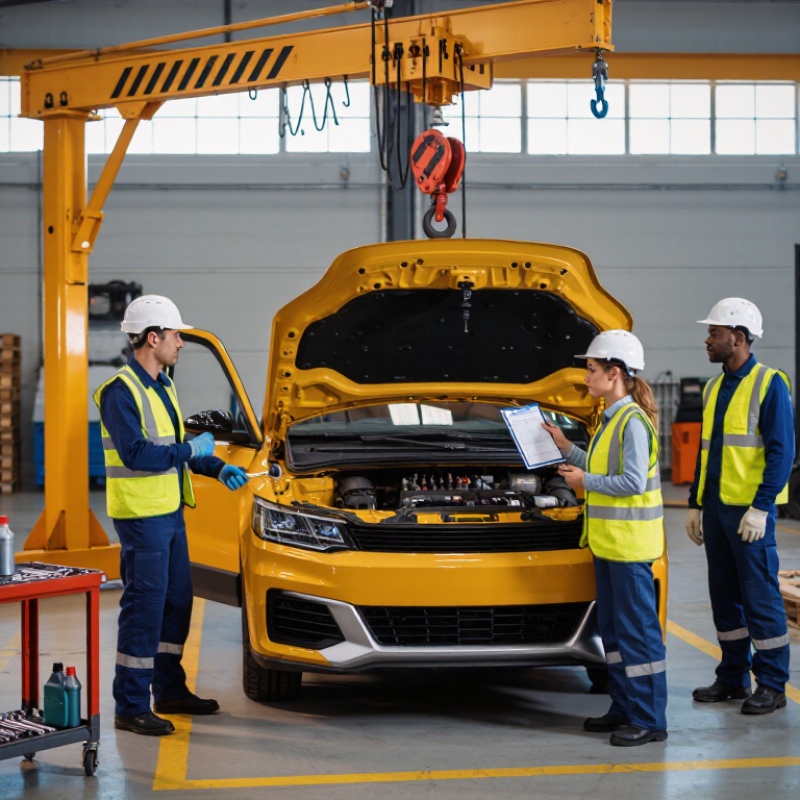
Downtime usually begins before a machine stops. An overlooked crack, overdue inspection, or poorly trained operator can become a shutdown. Start with a task-based risk assessment. Map every lift, load, attachment, travel path, and person nearby. Record failure modes, warning signs, and the time needed to restore service. Guidance from the UK Health and Safety Executive under LOLER stresses planned thorough examinations and competent inspection.
A widely cited 2020 industrial downtime survey found that 82% of companies experienced unplanned downtime during the previous three years. It also reported average losses of up to 800 hours and costs reaching $260,000 per hour. These figures vary by sector, but they expose a useful weakness: many teams measure repairs, not causes. Review maintenance logs, near misses, overload alarms, weather interruptions, and spare-part delays. Patterns matter. One recurring jam at a loading bay may reveal poor route design, not bad luck.
Tips: Photograph defects, tag affected equipment, and separate immediate controls from permanent repairs. Use a simple risk score combining likelihood, severity, and exposure time. Check operator feedback after each shift. Do not trust a clean checklist alone. It can miss fatigue, rushed lifts, or a sensor that fails only when hot. Review the assessment after every breakdown, even when production resumes quickly. That discipline is uncomfortable. But it turns downtime evidence into prevention.
A preventive maintenance schedule turns lifting equipment care into a controlled routine. The U.S. Department of Energy’s Operations & Maintenance Best Practices Guide reports 12–18% lower costs than reactive maintenance. That difference matters when one failed hoist can stop a shift.
Build the schedule around operating hours, load intensity, environment, and manufacturer instructions. Daily checks should cover hooks, chains, wire ropes, brakes, controls, and unusual sounds. Record findings immediately. Monthly inspections can examine fasteners, guards, limit switches, and structural wear. Competent personnel should complete periodic inspections under applicable safety requirements, including OSHA 29 CFR 1910.179 where relevant.
Use clear triggers, not vague calendar dates. A crane lifting corrosive loads may need shorter inspection intervals than one working indoors. The International Organization for Standardization’s ISO 55001 framework also supports risk-based asset management and documented decisions. Still, schedules are not perfect. A clean checklist may hide rushed work or an overlooked crack. Supervisors should review repeated defects, missed inspections, and near failures each month. Trend the evidence. Adjust intervals when duty cycles change. Reliable maintenance depends on disciplined records, practical judgment, and the courage to question routines that appear successful.
Operator training is one of the most practical ways to reduce lifting-equipment downtime. A capable operator notices abnormal noise, uneven travel, or slow brake response before failure. Training should cover rated capacity, load-centre limits, ground conditions, pre-use inspections, and shutdown procedures. Keep it hands-on. Short sessions work better than annual paperwork alone.
OSHA estimates that forklifts cause about 85 workplace deaths and 35,000 serious injuries annually in the United States. This risk makes competence a maintenance control, not merely a safety exercise (OSHA, Powered Industrial Trucks). IPAF’s Global Safety Report 2024 recorded 118 powered-access fatalities in 2023 across 20 countries. Its data highlights falls, entrapments, and overturns as recurring event types (IPAF, 2024). Supervisors should assess operators during realistic tasks, including blind spots, shared routes, radio calls, and emergency lowering.
Records should show the machine type, assessed skills, refresher triggers, and observed gaps. Retrain after incidents, near misses, long absences, equipment changes, or unsafe habits. A five-minute start-up check can expose damage before a breakdown spreads across a shift. We should be honest: familiar operators can become careless. Peer observations help, but production pressure must not replace formal authorization. Measure results through fewer stoppages, rejected inspections, and repeat defects—not attendance alone.
Lifting equipment often stops because one small component is unavailable. A damaged limit switch, brake lining, or wire rope can halt an entire shift. Keep a risk-based spare-parts list for every critical machine. Store high-failure items in clean, labeled containers near the maintenance area. Protect seals from heat, moisture, and direct sunlight. Check stock levels after every repair, not only during monthly reviews.
Use maintenance records to identify repeated failures and unusual wear. Include part numbers, inspection dates, fault symptoms, and repair times. This information helps technicians prepare before equipment reaches the workshop. During one routine inspection, a technician found metal dust near a gearbox seal. The spare seal was available, preventing a larger failure. Small clues matter. However, inventory plans are never perfect. Some parts may age before use, while rare components can remain forgotten.
Reliable repair procedures should be clear enough for different qualified technicians to follow. Include isolation steps, inspection points, torque requirements, testing methods, and release criteria. Keep printed instructions available when digital systems are offline. After repairs, perform a controlled function test with no load, followed by a documented operational check. Do not rush this stage. A machine that runs quietly may still have an incorrectly adjusted brake. Review difficult repairs with the maintenance team, and update procedures when the real fault differs from the expected one.
Top 10 Ways to Reduce Downtime in Lifting Equipment
Lifting equipment stays available when performance is measured continuously, not checked only after failure. Track motor temperature, vibration, load cycles, brake response, and operating hours. These signals reveal small changes before they become expensive stoppages. A hoist that suddenly needs three seconds longer to complete a lift deserves attention.
Use a live dashboard or structured inspection log to compare current readings with established baseline values. Record the date, load weight, ambient conditions, and operator observations. This context improves diagnosis and prevents technicians from replacing healthy components. However, monitoring systems are not perfect. Sensors can drift, alarms may trigger unnecessarily, and some faults develop between inspection intervals. Review the data regularly and adjust thresholds when operating conditions change.
Tips: Set clear alert limits, inspect abnormal trends within one shift, and connect every alarm to a documented action. Train operators to report unusual noise, jerky movement, heat, or delayed braking. Their experience often identifies changes that instruments miss. Keep maintenance records detailed enough for another technician to understand the decision.
Measure uptime, response time, repeat failures, and planned-versus-unplanned maintenance each month. Discuss the results with maintenance staff and equipment users. If the same issue returns, investigate the underlying cause instead of resetting the alarm. Small improvements may feel slow, but consistent feedback usually produces stronger reliability than rushed repairs.
It reduces unexpected stoppages and keeps maintenance work controlled. One failed hoist can stop an entire shift. Reactive repairs usually cost more.
Check hooks, chains, wire ropes, brakes, controls, and unusual sounds. Record every finding immediately. Small clues matter.
Consider operating hours, load intensity, working conditions, and equipment instructions. Corrosive loads may require shorter intervals. Calendar dates alone can mislead.
Inspect fasteners, guards, limit switches, and visible structural wear. Look for loose parts, damaged covers, and developing cracks. Do not rush.
Competent personnel should conduct them under applicable safety requirements. Supervisors should review missed inspections and repeated defects.
Keep critical items such as limit switches, brake linings, seals, and wire ropes available. Store them in clean, labeled containers. Protect seals from heat and moisture.
Record part numbers, inspection dates, fault symptoms, repair times, and repeated failures. Metal dust near a gearbox seal can reveal early trouble.
Follow isolation steps, inspection points, torque requirements, and release criteria. Test the equipment without a load first. Then complete a documented operational check.
Yes. A clean checklist may hide rushed work or an overlooked crack. Quiet operation does not prove correct brake adjustment. Review difficult repairs and question routines that seem successful.
Reducing downtime in lifting equipment operations starts with a clear understanding of operational risks and the common causes of interruptions, such as component wear, improper use, delayed inspections, and limited parts availability. A practical plan should prioritize high-risk equipment, record recurring faults, and use this information to guide maintenance decisions. Regular preventive maintenance and inspection schedules can detect problems early, while documented repair procedures help ensure issues are resolved safely and efficiently.
To understand how to reduce downtime in lifting equipment operations, organizations should also train operators in safe, efficient equipment use and encourage timely fault reporting. Keeping critical spare parts available can shorten repair times, especially when supported by dependable suppliers and qualified technicians. Finally, monitoring equipment performance through inspection records, utilization data, and downtime trends allows teams to evaluate results, identify repeated weaknesses, and continuously improve reliability, productivity, and overall equipment uptime.

Liftara Lift